
Abel Tasman on foot (and by boat): the cheap coastal track in New Zealand
Updated November 13, 2026
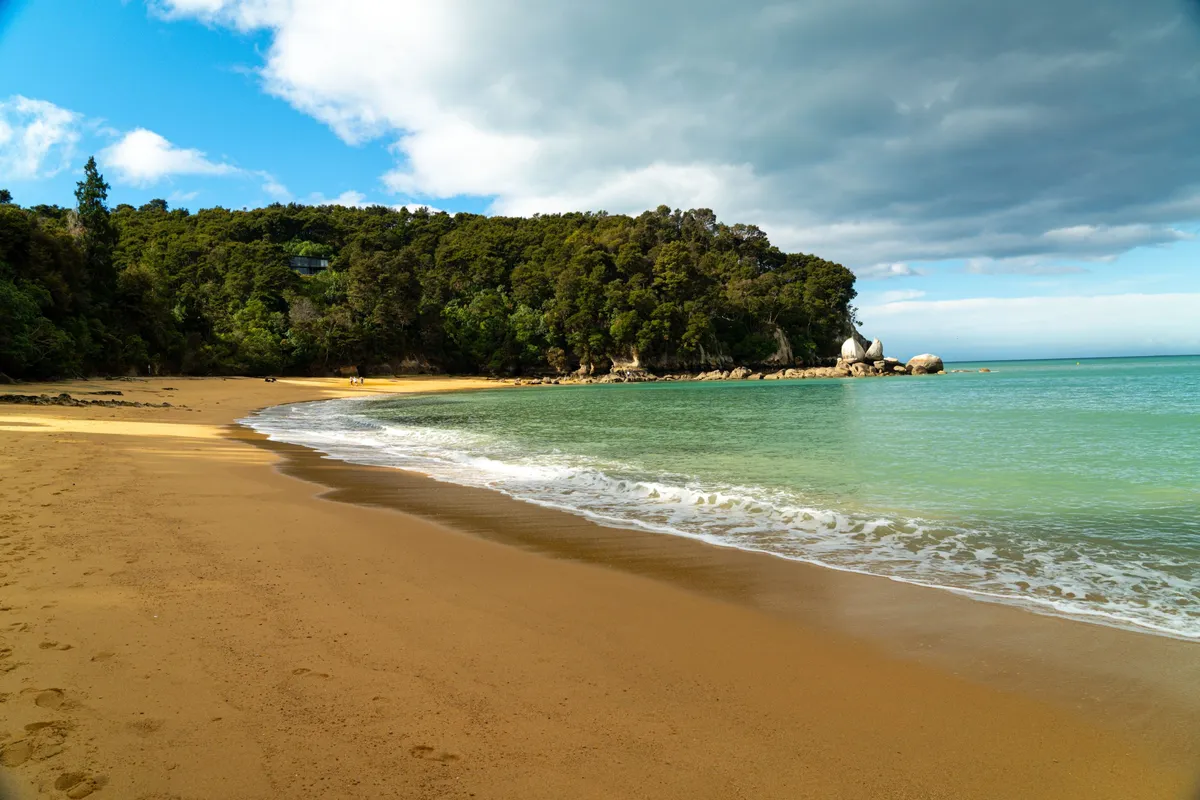
Ask anyone who's done New Zealand's Great Walks and they'll tell you Abel Tasman is the odd one out — no mountain pass, no scree climb, just beach, native bush, and clear water from end to end. The part most guides skip: you don't need the full 60 km, or a big budget, to get the real thing.
What a night on the track actually costs
The Abel Tasman Coast Track runs 60 km under the management of New Zealand's Department of Conservation (DOC), and every hut or campsite along it needs a year-round booking. During Great Walk peak season (October to April), a hut bed runs about NZD 45 per adult; camping is considerably cheaper at NZD 15-20 a night. Outside peak season (May to September), hut prices drop to roughly NZD 15 under the backcountry scheme. There's no park entry fee at all — you're only ever paying for where you sleep.
The water taxi shortcut
What sets Abel Tasman apart from the other Great Walks is that you can mix walking with a water taxi and cherry-pick the one stretch you actually want, skipping the full 60 km entirely. Fares scale with distance, NZD 35-50 per leg, running from Marahau or Kaiteriteri out to Anchorage, Torrent Bay, Bark Bay, or Totaranui. For a single day out, the usual move is boat one way and walk back (or the reverse), which means paying for one leg of water taxi (~NZD 35-50) instead of a round trip.
Skip the 5-day package if you don't need it
Most guides push the standard 3-to-5-day itinerary, but there's no requirement to book it. A day walk from Marahau to Anchorage — boat there, walk back, say — covers a solid stretch of the park's signature scenery (golden beaches, turquoise water, forest) for a fraction of what a multi-day trip with booked huts costs. Planning to camp one night instead? A campsite (NZD 15-20) plus one water taxi leg (NZD 35-50) lands around NZD 50-70 per person, transport and accommodation included.
Worth it on a tight budget?
Very much so, especially set against New Zealand's other Great Walks. The Milford Track, for comparison, costs NZD 340-380 in hut fees alone for 4 nights, per the official fee table on the DOC's Milford Track page, and needs booking up to 6 months out. Abel Tasman is the flexible alternative: a full day trip (water taxi plus walking) runs under NZD 100 and still delivers the park's best scenery. It's the Great Walk that works for anyone who can't — or doesn't want to — lock in a five-day expedition months in advance.
The one tidal crossing you have to plan around
Unlike the other Great Walks, Abel Tasman has one compulsory tidal crossing at the Awaroa Inlet, safely passable only within 1 hour 30 minutes before and 2 hours after low tide — and only in daylight, according to the official DOC tide tables. The Torrent Bay estuary crossing is more forgiving, open within 2 hours either side of low tide, or you can take a 10-minute all-tide bypass track instead. People who've walked it recommend checking the tide tables before booking a hut or campsite, since waiting around for the tide to drop in the morning eats into real walking time. Another practical detail from past hikers: the park has wasps and the notorious sandflies for most of the year — bring repellent, and antihistamines if you're allergic to wasp stings. Those who walked it outside peak season, in May for instance, report a much emptier track with barely any sandflies at all.
Keep planning
Check out the full itinerary: New Zealand South Island Itinerary: Christchurch, Queenstown, Wanaka, Milford Sound, and Abel Tasman on a Controlled Budget
See also: Travel Insurance: Is It Worth It, How Much Does It Cost, and How to Choose