
Cartagena: the Walled City and Getsemaní for almost free
Updated November 13, 2026
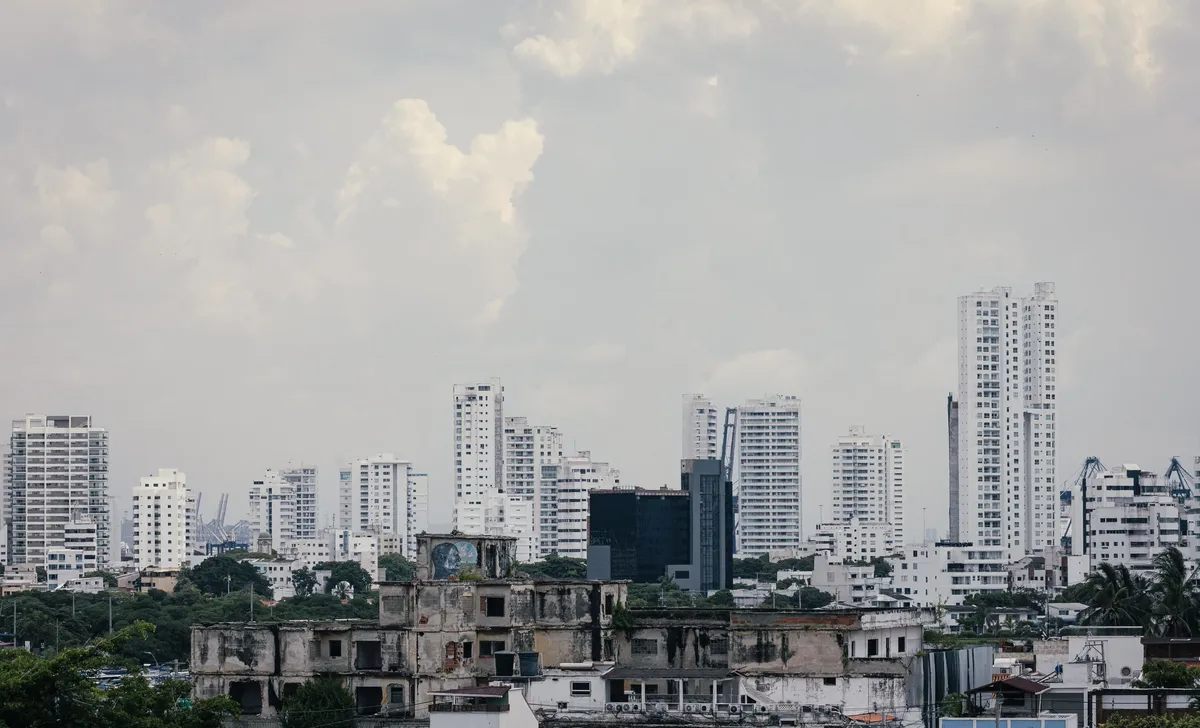
A stone wall built by the Spanish to keep pirates out now rings one of Latin America's best-preserved colonial cores — balconies dripping with flowers, streets in every color, plazas that turn into an impromptu party once the sun drops. The resort prices that define Cartagena's reputation don't actually apply here: the Walled City and its neighbor Getsemaní can be covered for next to nothing.
The "free" tour that's genuinely worth your afternoon
No fixed fee, no catch — Cartagena's free walking tour scene through the Walled City and Getsemaní runs on pay-what-you-think-it's-worth, settled with the guide at the end. GuruWalk's own guide to Cartagena tours puts the average tip at 30,000 to 50,000 Colombian pesos (about $8-15) per person — a fraction of what a traditional paid tour would charge for the same ground: Plaza de los Coches, the Clock Tower, and Getsemaní's murals, narrated by a local guide covering the history of slavery and resistance that built the neighborhood's identity.
Getsemaní doesn't charge admission to exist
Right against the old wall, Getsemaní is Cartagena's most-photographed corner — strings of colorful flags over nearly every street, street art on almost every wall. No ticket, no set schedule: just walk in during the afternoon and stay through sunset at Plaza de la Trinidad, where the neighborhood gathers for live music.
So, worth it on a tight budget?
Absolutely — a full afternoon of history, color, and music costs exactly the walking-tour tip plus a street fruit juice, nothing more. The one thing worth pre-booking is the boat trip to the Rosario Islands, if the itinerary has a spare day for it. Outside of that, walking the Walled City and Getsemaní is, quite literally, free.
A practical note on the tour and on safety
People who've actually done this free walking tour point to one simple detail: trustworthy guides usually wear a brightly colored shirt and umbrella (yellow or orange) to make themselves easy to spot at the meeting point, typically near the Clock Tower or Plaza de Santa Teresa, with both a morning and an afternoon departure — it's worth showing up a few minutes early and looking for that visual signal rather than trusting the company name alone. Tipping in cash (pesos, not dollars) at the end is the norm, and the guides depend on it as their main income. It's also worth taking seriously a warning that comes up repeatedly in traveler accounts: safety drops off fast just a few blocks outside the Walled City and Getsemaní, so the safer move is staying inside those two areas on foot after dark and taking an Uber over a street taxi, always negotiating the fare upfront if it's a traditional taxi without a meter.
For anyone who'd rather book ahead, the tour traditionally starts around 10am, with a second afternoon departure for those who'd rather skip the harshest midday heat — either way, bring a hat, sunscreen, and plenty of water, since most of the route is outdoors and Cartagena's sun is intense even early in the day.
One more warning that comes up often from past visitors: on the beach and at some street carts near the wall, be wary of raw seafood — shrimp cocktail or oysters — sold without visible refrigeration; it's safer to save that dish for a restaurant with proper cold storage, even if it costs a bit more than the otherwise free-to-walk tour. Tap water isn't recommended either — stick to bottled or filtered water throughout the trip, old advice that still holds in Cartagena's heat.
Keep planning
See also: Traveling solo for the first time: safety and planning