Leonids over Great Barrier Island: photographing New Zealand's darkest sky on the night of November 17-18
Produced with AI assistance. Reviewed by Equipe PaceRoam.
Why the night of November 17-18, 2026 is the window to catch the Leonids
The Leonid meteor shower stays active every year between November 6 and 30, and the 2026 peak is forecast for the night of November 17 into November 18, with the best viewing between midnight and dawn, according to the astronomy site timeanddate.com, in an article checked on 2026-11-16 (timeanddate.com/news/astronomy/leonid-meteor-shower-2026). The UK's Natural History Museum, in a page checked the same day (nhm.ac.uk/discover/meteor-shower-lyrids-perseids-geminids-leonids-orionids.html), agrees that under a clear, moonless sky the expected rate tops out at around 15 meteors per hour — a modest number compared with showers like the Perseids, which makes a genuinely dark sky the decisive factor for any photo.
The detail that saves the 2026 show is the Moon's schedule. It reaches first quarter exactly on November 17 and sets around midnight, per timeanddate.com — leaving the sky moonless during the peak hours between midnight and sunrise, right when the radiant in the constellation Leo climbs highest in the northeastern sky. Without that calendar coincidence, moonlight would wash out the fainter meteors on a camera sensor. Keep in mind that 15 meteors/hour is a best-case peak estimate: cloud, sea haze or residual light pollution will pull that number down in practice, and there's no guarantee of a show — only the best odds of the month.
Aotea Great Barrier Island: the world's only island Dark Sky Sanctuary
In June 2017, Aotea Great Barrier Island was designated an International Dark Sky Sanctuary by the International Dark-Sky Association, becoming the first island in the world to hold that status and, at the time, one of only three sites on the planet to carry it (the other two are in New Mexico and Chile), according to an official Auckland Council release published at ourauckland.aucklandcouncil.govt.nz and checked on 2026-11-16. Sanctuary status is reserved for remote sites with little realistic future threat of light pollution — this isn't an urban park with regulated lighting, but a place where much of the electricity comes from solar panels and isolated generators, with no mains grid connecting the island to the mainland.
That absence of a power grid is exactly what keeps the sky dark today: there are no streetlights outside small hubs like Tryphena and Claris, and most of the roughly 1,000 permanent residents rely on solar or wind power. For comparison with the stargazing guide this site already published on Tekapo, inside the Aoraki Mackenzie Dark Sky Reserve: Tekapo is a Reserve on the South Island, near a small urban center with lighting controlled by local bylaw; Aotea is a Sanctuary on the North Island, isolated in the middle of the Hauraki Gulf about 90-100 km from Auckland, with no urban neighbor to regulate — different categories and different geography within the same certification system.
Medlands Beach or Windy Canyon: where to set up the tripod
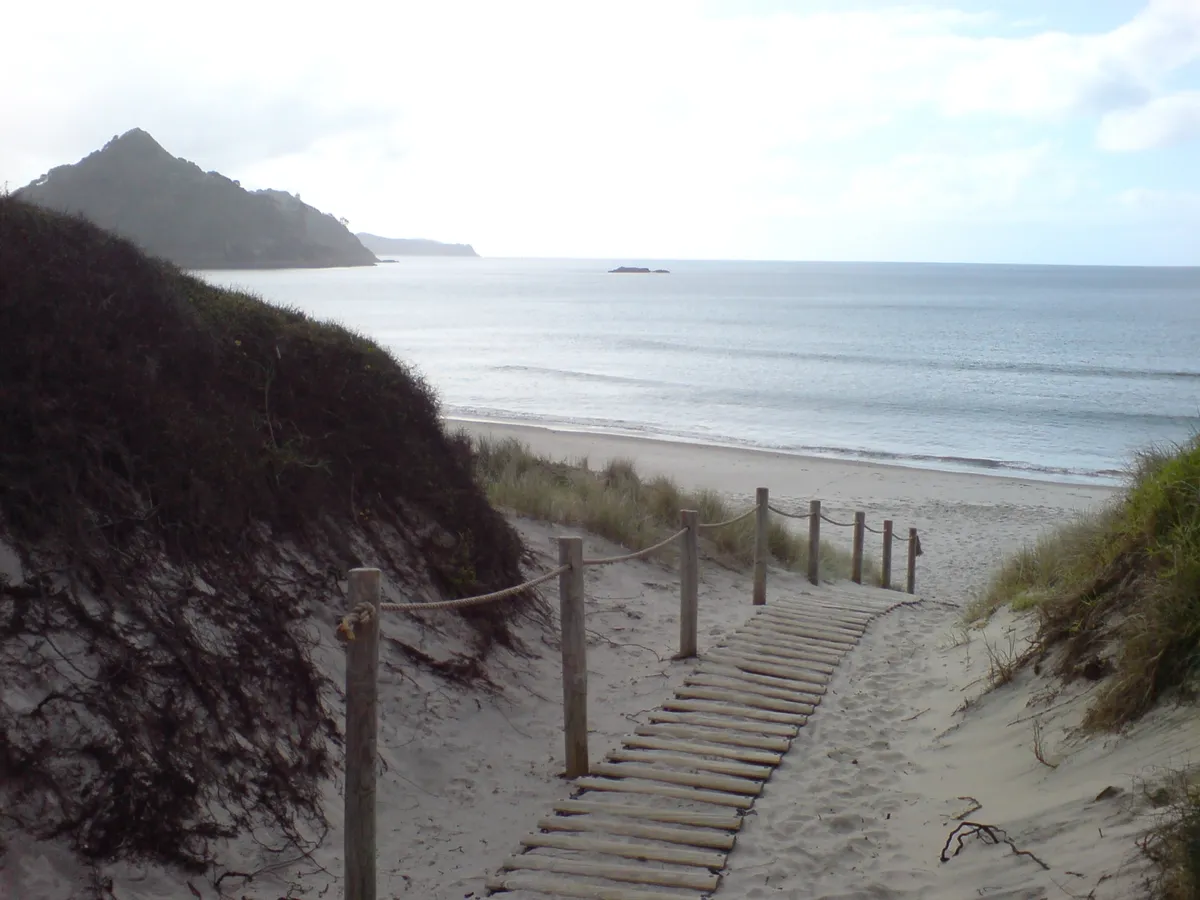
The dunes above Medlands Beach, on the east coast, are where the local operator Good Heavens Stargazing runs its guided telescope sessions, as described on the company's own site, goodheavens.co.nz (checked 2026-11-16). The spot works well for photography because the horizon over the ocean is open to the east — the direction from which the Leonids' radiant rises and climbs through the early morning. It's worth not confusing the two offers: Good Heavens' tour is built for visual observation with telescope and binoculars, great for planets and star clusters, but it doesn't replace a photographer's own camera gear for capturing meteor trails in long exposure.
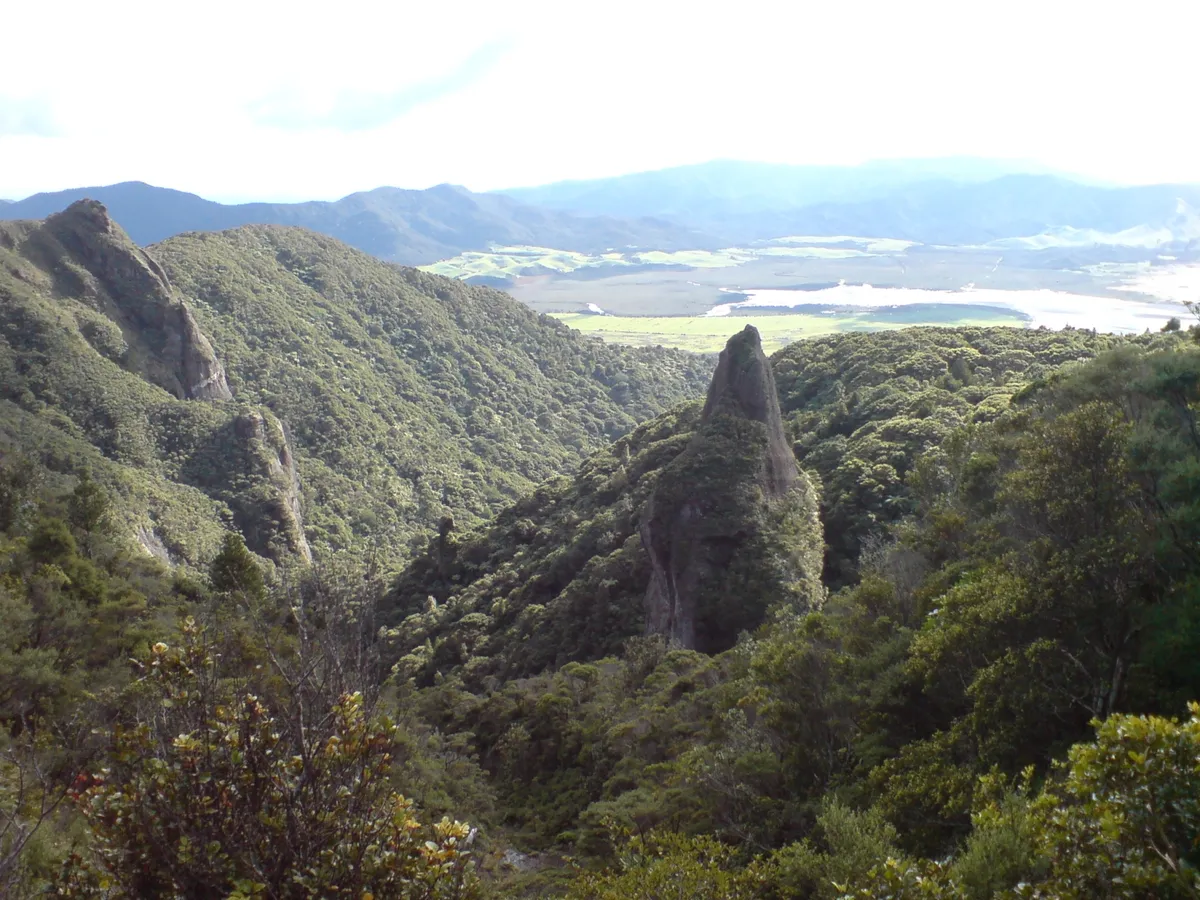
The second option sits inland: the Windy Canyon lookout, a 15-minute walk from the car park on the Windy Canyon and Palmer's Track, according to the official track page on the Department of Conservation site (doc.govt.nz, checked 2026-11-16). The track climbs toward the summit of Mount Hobson/Hirakimata, the island's highest point at 621 m, and offers a different composition: jagged rock pinnacles in the foreground against the northwestern sky, instead of Medlands' open sea horizon. The downside is access: the road to the car park is narrow and unlit, and walking it at night requires a head torch and careful footing on uneven ground — Medlands Beach is the safer choice for solo travelers or first-time visitors to the island.
Camera settings for photographing meteors without a telescope
Photographing a meteor shower doesn't require a telescope or a specialized astrophotography lens — it requires a sturdy tripod, a fast wide-angle lens, and patience for repeated exposures. The reference settings most commonly used for dark-sky night photography are:
- A wide-angle lens between 14mm and 24mm, aperture f/2.8 or faster (the wider the aperture, the fainter the meteors the sensor can pick up);
- Exposures of 15 to 20 seconds per frame, to avoid stars starting to trail (rule of thumb: 500 divided by the lens's true focal length);
- ISO between 1600 and 3200, adjusted to the camera's acceptable noise level;
- Manual focus set to infinity and locked with tape so it doesn't shift overnight;
- A remote shutter release or intervalometer set to fire continuously — the odds of catching a meteor in any single frame are low, so the method is to shoot hundreds of frames through the night and sort for the ones with a visible trail afterward.
Because the island has no mains power outside its small settlements, charged spare batteries and a portable power bank matter here more than anywhere else on a typical itinerary: there's no way to recharge gear at midnight at Medlands Beach or up at Windy Canyon.
SeaLink ferry or Barrier Air flight: what each option actually costs
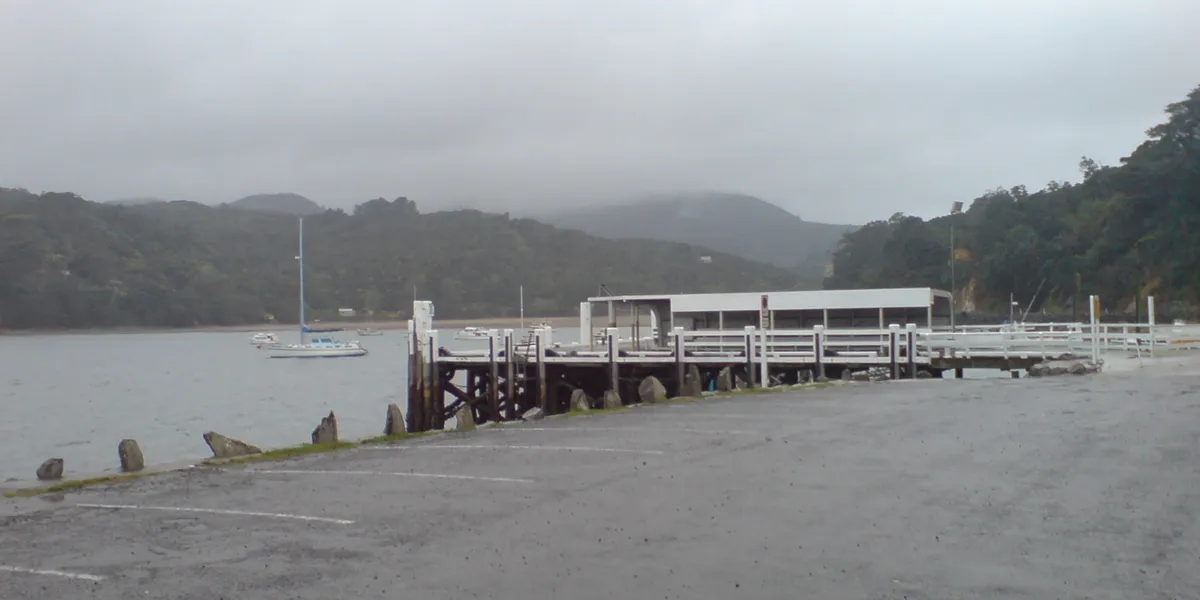
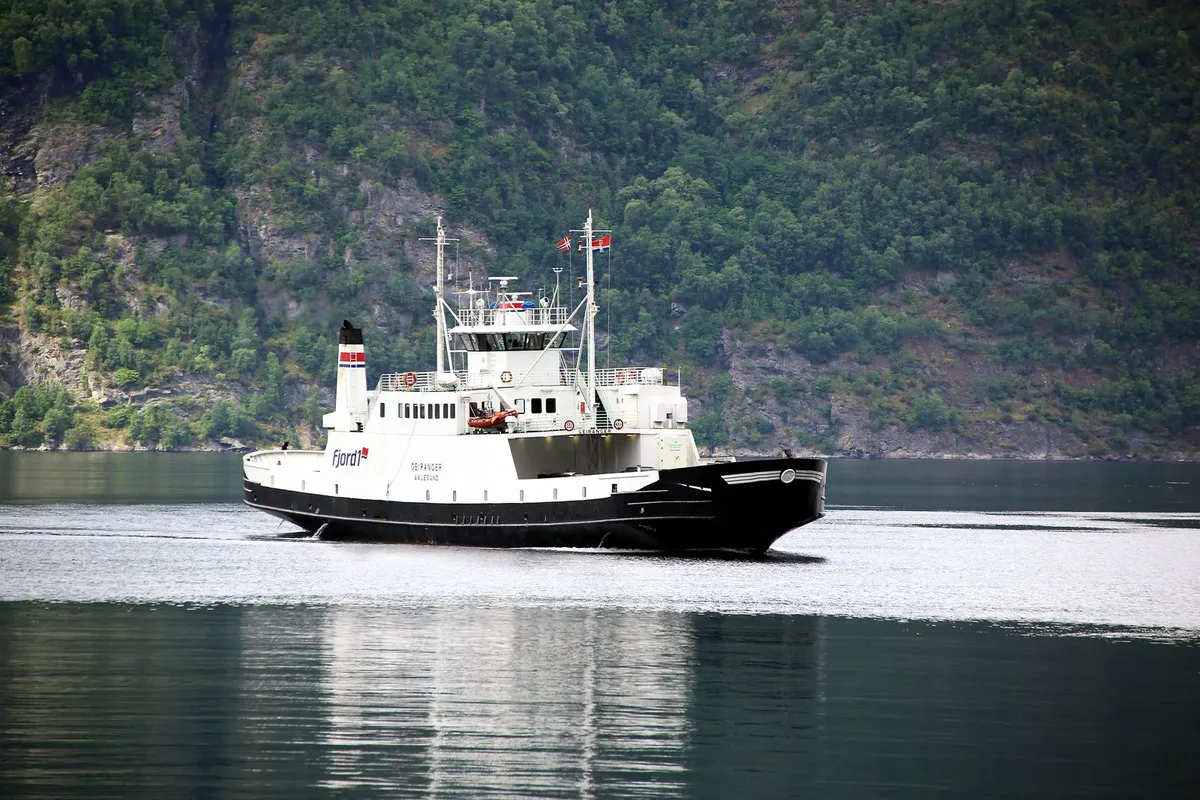
SeaLink is the only company running a car-and-passenger ferry to the island, departing from the Hamer Street wharf in Auckland for either Tryphena, in the south, or Port Fitzroy, in the north. Per SeaLink's own official travel-agent fare sheet (document on sealink.co.nz, issued 2026-09-21, version 1.5.2), a one-way adult foot-passenger ticket costs NZD 119.54, tax included, for sailings between 2026-09-21 and 2026-12-16, rising to NZD 127.88 in the higher-demand window between 2026-12-17 and 2027-02-10. The crossing takes 4.5 to 5 hours, with three to four weekly sailings in winter rising to up to seven a week in summer, according to SeaLink itself (sealink.co.nz/explore/great-barrier, checked 2026-11-16).
The air alternative is Barrier Air, flying between Auckland Airport and Claris, in the island's center, in about 25 minutes, with fares starting at NZD 99 one way and 25 flights a week, per the airline's official routes page (barrierair.co.nz/flight-information/routes, checked 2026-11-16). Fly My Sky runs a comparable route, but without a stable published fare at the time of checking. In practice, for a trip decided at the last minute — as is typical with a meteor shower peak just days away — the flight tends to be the only realistic option, since the week's few ferry sailings fill up fast and usually need booking days ahead; the ferry, on the other hand, is the cheaper choice for anyone who already has the trip planned with room to spare and wants to bring more luggage, since foot passengers get two pieces of baggage at no extra charge on SeaLink.
| Option | Duration | One-way adult fare | Frequency |
|---|---|---|---|
| SeaLink ferry (foot passenger) | 4.5-5h | NZD 119.54 (through 2026-12-16) | 3-7x/week |
| Barrier Air flight | ~25 min | from NZD 99 | up to 25x/week |
Department of Conservation rules and what to skip on the island
Much of the island is Aotea Conservation Park, managed by the Department of Conservation (DOC), and the Hauraki Gulf Maritime Park bylaws apply to anyone walking up to Windy Canyon or staying on the beach after dark: open fires and portable barbecues are banned, there are no rubbish bins — all trash has to be carried out —, and flying a drone on conservation land requires a permit, according to the official DOC page for the island (doc.govt.nz, checked 2026-11-16). That applies even to anyone thinking about a drone shot of the night sky for variety: without a specific permit, the aircraft can't take off in a conservation area, which covers most of the walk up to Windy Canyon.
Worth noting a long-term alert that doesn't directly affect Windy Canyon but is useful to know: the Kaiaraara Track, another route up Mount Hobson, is closed between the Kaiaraara Hut bridge and the Coopers Castle Junction, an alert last reviewed on 2026-10-19 according to DOC's own site. Anyone trying to reach the summit that way should use the South Fork Track as a detour; the Windy Canyon and Palmer's Track recommended here is not on the closures list.
Check MetService before booking — don't trust the meteor forecast alone
No astronomical forecast guarantees a clear sky. MetService, New Zealand's official weather service, keeps a dedicated forecast for Great Barrier Island at metservice.com/rural/regions/auckland/locations/great-barrier-island (page checked 2026-11-16), and the smart move is to check it again the night before travel, not just at the moment of booking a ticket — the Hauraki Gulf has its own microclimate, and low cloud rolling in off the sea can cover the sky even on nights forecast as clear days in advance. Since the 15-meteors-per-hour figure cited by timeanddate.com and the Natural History Museum is a best-case estimate under a perfectly dark, cloudless sky, partial cloud cover at peak time can drastically cut what's visible and photographable, with no refund or second chance — the next meteor shower of note on the calendar is the Geminids, peaking in December.
What to do first, what to skip, and the most common mistake
With the peak forecast for the night of November 17-18, 2026, the first practical move is to check Barrier Air's availability for the same day or the day before — given the short lead time to the event, it's the option with the most frequent departures and the lowest risk of missing out, even though it costs more per minute of travel than the ferry. Anyone already on the North Island with time to spare might prefer SeaLink to save money and bring more luggage, but needs to book as soon as the decision is made, since the week's sailings are limited. It's worth skipping the guided telescope tour if the sole goal is long-exposure photography — that's a product built for visual observation, not for someone already carrying their own tripod and wide-angle lens. The most common mistake on this kind of flash trip is leaving Auckland without reconfirming the MetService forecast the night before: an overcast sky over the Hauraki Gulf can wipe out days of planning and the month's only peak window, and there's no way to simply reschedule a meteor shower for another night.