Lima's Food Market Scene Starts at Mercado Nº1 de Surquillo
Produced with AI assistance. Reviewed by Equipe PaceRoam. · Updated October 27, 2026
Research done in 2026 confirms that Mercado Nº1 de Surquillo, about a 20-minute walk from central Miraflores, remains the benchmark food market for eating well in Lima without paying restaurant-tourist prices. This covers what it actually costs to eat there, how the market is laid out, and what a full budget food day in Lima adds up to.
How the market is laid out
Mercado Nº1 de Surquillo has three levels, according to the market's own public registry page: the ground floor holds the supply stalls -- chicken, meat, fish, groceries, produce, cold cuts, and juice bars; the second floor holds the prepared-food stalls; and the third floor has the sit-down restaurants proper. The main entrance faces Avenida Paseo de la República, with secondary access from Colina and Valencia streets.
What it actually costs to eat there
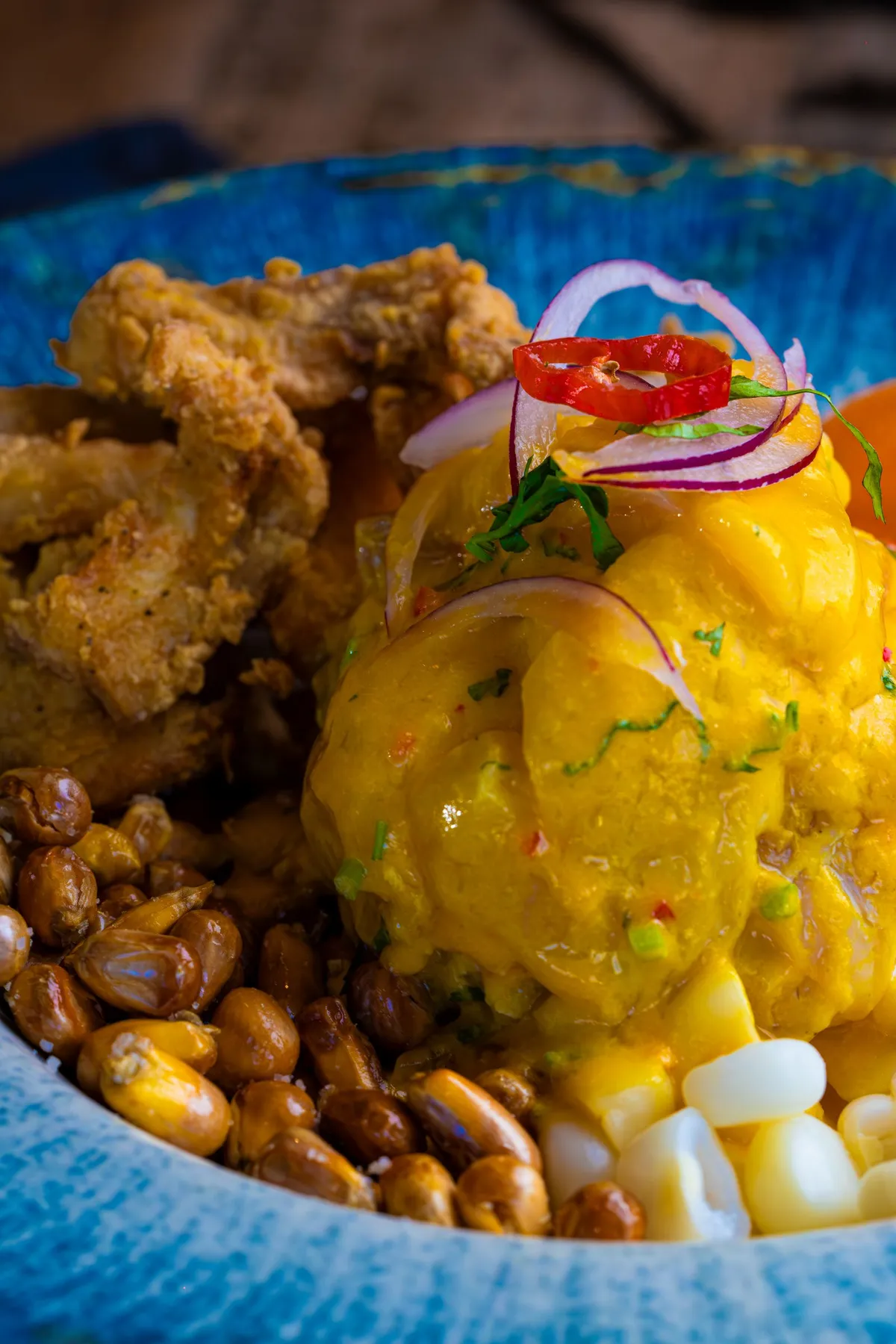
On the prepared-food level, a full ceviche mixto plate runs 15 to 20 Peruvian soles (roughly $4-5.50 USD), per a survey from Bushop's backpacker guide to Lima. A fresh fruit juice, like papaya, runs about 7 soles. At the lunch-counter stalls, a full meal with soup, a main course, and a drink starts at 10 soles -- the same guide calls this market the single best value food experience in Lima. For comparison, a full lunch at a neighborhood restaurant outside the market runs 15-25 soles, and a mid-range tourist restaurant in Miraflores serving ceviche or lomo saltado runs 40 to 80 soles ($10-22 USD), per budget data from Cuánto Cuesta Viajar Solo a Lima.
What's actually worth ordering
Beyond ceviche mixto, the second-floor stalls typically serve fried fish with rice, arroz chaufa (Peruvian-Chinese fried rice), and Andean regional soups -- mote con chicharrón, chickpea broth, and olluco stew with charqui (dried meat) show up at stalls specializing in Andean food inside the same market. The sharpest price cut is at the menú del día counters: a full meal running 13-15 soles, including soup and a main, is the equivalent of a business lunch anywhere else -- for a third of what a street-level tourist restaurant charges.
The right time to go
Prepared-food traffic at Surquillo peaks at lunch, roughly noon to 2 p.m., when the menú del día stalls still have the widest selection. Arriving after 3 p.m. means half the stalls have already sold out of the day's dish.
The guided alternative, if going alone feels like too much
For travelers who want historical context alongside the food, guided tours of the market itself exist -- one runs 5.5 hours and includes tasting 35 different fruits, a Peruvian cooking class, and a included meal, listed on platforms like GetYourGuide. It's a paid option that costs more than simply wandering the stalls on your own, but it solves the language barrier for non-Spanish speakers and explains the origin of each Andean ingredient. For anyone trying to save money, the self-guided route works just as well -- the second-floor vendors are used to foreign visitors and generally show the dish before charging for it.
Is it worth the tight budget?
Yes, with one practical catch: bring cash in soles, since most stalls don't take cards. A full day of market eating -- breakfast with juice and bread (10-15 soles), a menú del día lunch (13-15 soles), and an afternoon ceviche as a heavier snack (15-20 soles) -- totals 38 to 50 soles per person ($10-14 USD), less than half the cost of a single tourist lunch in Miraflores.
One more practical note: Surquillo sits inside a residential block, not along the main tourist strip, so arriving by taxi or rideshare and asking for "Mercado Nº1 de Surquillo" by name avoids confusion with the nearby flower market of the same neighborhood.
It's also worth remembering that the sit-down restaurant level, on the third floor, charges noticeably more than the prepared-food stalls on the second -- so anyone who heads straight up by elevator or escalator risks paying restaurant prices while thinking they're still on the street-food level.