
Medellín on a Controlled Budget: Metro, Comuna 13 and What’s Actually Free
Updated October 27, 2026
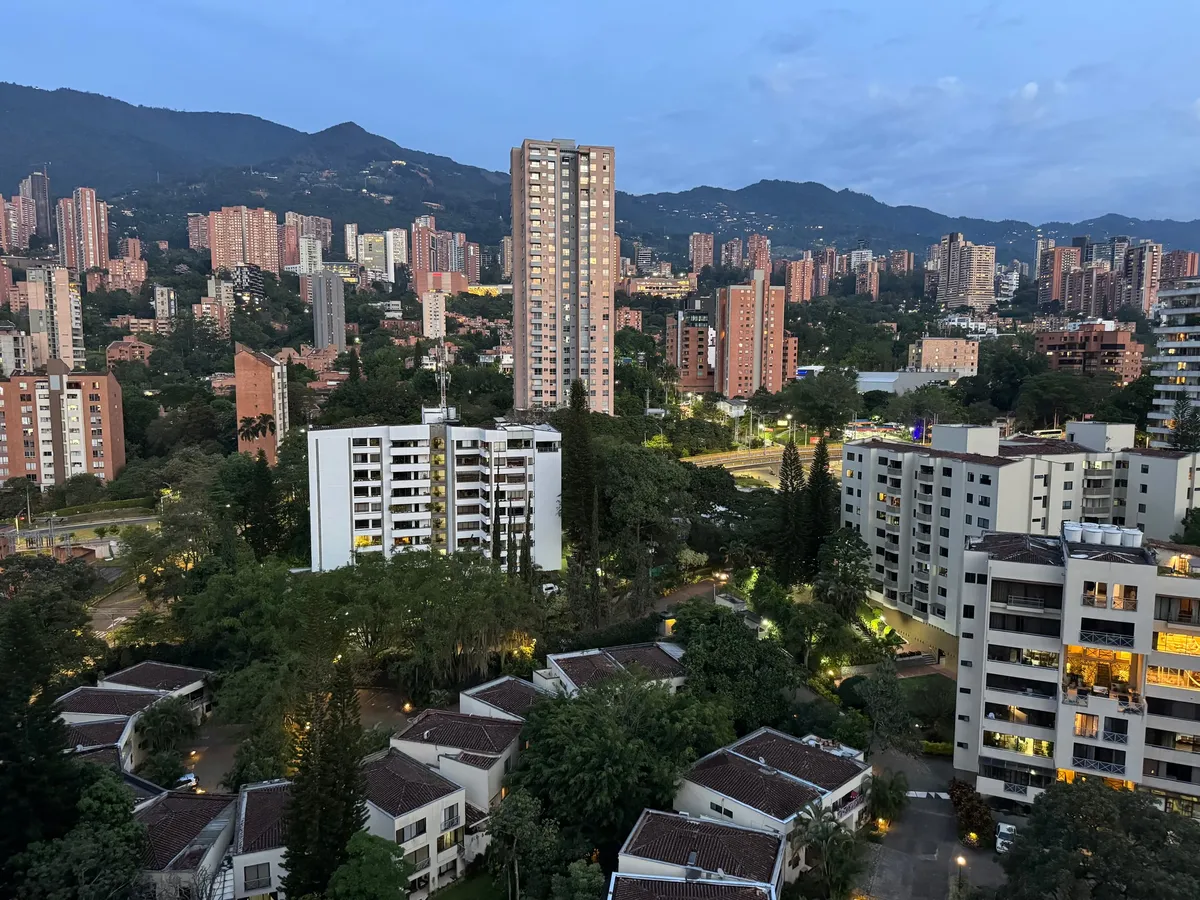
Ask anyone who has done both, and they will tell you the real highlight reel of Medellín — Comuna 13, the Botanical Garden, Pueblito Paisa, Plaza Botero — barely touches your wallet. The city sells itself on a "reinvented" reputation, but what budget travelers actually need to know is simpler: almost everything that made Medellín famous charges nothing, and the few things that do charge (the metro, the Arví cable car) publish their fares with no fine print. We cross-checked 2026 prices before writing this.
Start with the metro, because it touches everything else
Colombia's only urban rail system runs on a flat fare of COP 3,300 to COP 3,700 per ride in 2026 — confirmed on the official Metro de Medellín fare page — and that single fare already includes transfers to feeder buses (TPM), the urban cable cars, and the tram. Trains run every 3-5 minutes at peak hours between 5am and midnight. You can load a Cívica card, or grab the "al Portador" version on the spot at any station with no ID required.
Comuna 13 costs whatever you decide it costs
This is the neighborhood everyone comes for: outdoor escalators, street art narrating the transformation of what used to be one of the city's most stigmatized barrios, a stop for local snacks. The walking tour runs on a tip model rather than a fixed price — GuruWalk lists the suggested contribution at COP 40,000 per person (about US$12.40 at October 2026 rates), but paying less, or more, is entirely up to you. Tours run roughly 2.5 hours, departing at 10am.
Free by default: Botanical Garden, Pueblito Paisa, Plaza Botero
The Joaquín Antonio Uribe Botanical Garden — 14 hectares, the wooden-canopy Orquideorama, a lake, over 4,500 plant species — opens free Tuesday through Sunday, 9am to 4:30pm (closed Mondays, bumping to the following Tuesday when Monday is a holiday), right outside the Universidad metro station. Only the butterfly house carries a charge, COP 10,000 per person (about US$3.10). Up on Cerro Nutibara, Pueblito Paisa — a built replica of a traditional Antioquian village with a 360° city view — costs nothing to enter; you only pay for what you buy inside. Downtown, Plaza Botero adds a third free stop: 23 Fernando Botero bronzes sitting in the open air next to the Museum of Antioquia, accessible any hour, no ticket booth required even if you skip the museum itself.
The one paid attraction worth the money: Parque Arví
The Line L cable car (Cable Arví) sits outside the regular metro fare because the ride itself is the attraction — 25-30 minutes gliding over native forest to reach the park. Foreign visitors and general/"al Portador" Cívica cardholders pay COP 26,700 round-trip in 2026 (about US$8.30); Colombians or personalized-card holders pay COP 11,900; residents of strata 1, 2 and 3 pay just COP 3,900, a 75% discount that requires proof of a utility bill. Parque Arví itself covers 1,761 hectares of trails once you're up there.
Where budget travelers actually stay, and what to watch for
Almost every first-time visitor defaults to El Poblado, the hillside district around Parque Lleras and Provenza — one long-stay travel guide calls it "gringo central," dense with hostels, English-speaking staff, and routinely double the prices found elsewhere in the city. Laureles, a flat, tree-lined grid on the other side of the river reachable via Metro Line B to Estadio station, runs 30 to 50% cheaper on a room and still puts you on La 70, the strip where paisas actually go out, with salsa bars and beer for a couple of dollars. The convenience of Poblado comes with being the most-targeted district for two specific scams: phone snatching by motorbike riders near metro stations (locals recommend walking against the flow of traffic and keeping phones pocketed on the street, not out for photos or maps) and the so-called "honey trap" in Parque Lleras nightlife, where a stranger's sudden, over-the-top interest in a solo traveler is treated by local safety guides as a warning sign rather than luck. None of this should scare anyone off a trip — Medellín's petty-crime profile is standard big-city caution rather than a reason to skip it — but it's better to know going in than find out the hard way.
What a full day actually costs
Stack a day of metro rides (roughly COP 3,500 counting a round trip and one transfer), the suggested Comuna 13 tip (COP 40,000), and the Cable Arví general fare (COP 26,700), and a packed sightseeing day in Medellín lands around COP 75,000-80,000 per person — under US$25 at the October 2026 exchange rate (TRM of COP 3,218.75 per dollar). Rare among the destinations covered here: most of the postcard experience costs nothing, and the one real expense is optional.