Tapas in Seville on a Budget: Where Locals Actually Eat
Produced with AI assistance. Reviewed by Equipe PaceRoam. · Updated November 7, 2026
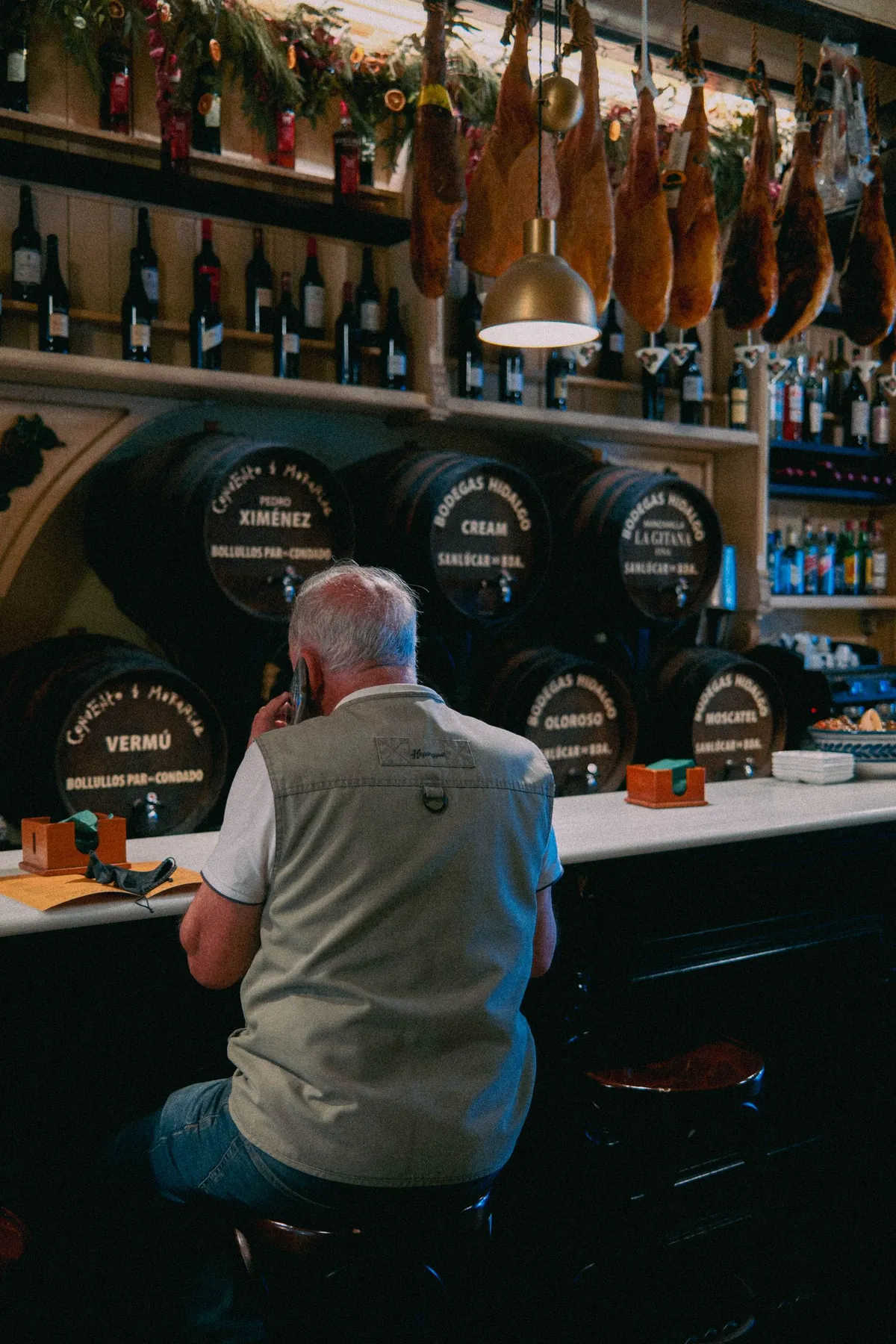
Forget the idea that tapas come free with your drink — that's a myth from other parts of Spain. In Seville every dish is ordered and charged separately, and it comes in three sizes: tapa (single portion), media ración (half, for sharing between two), and ración (full plate, for the table). Picking the right size changes your bill more than picking the right bar, based on 2025 price surveys and visits away from the main tourist loop.
How the sizing system works
Nearly every Seville bar serves the same dish in all three formats. The tapa is meant to be eaten standing at the counter; the media ración is built for two people splitting; the ración is for a full table. In many places, ordering three tapas actually costs more than ordering one media ración and splitting it — the math rewards sharing, not stacking small plates.
What it costs, neighborhood by neighborhood
Around the historic center and tourist landmarks like Las Setas (Metropol Parasol), a single tapa typically runs €3 to €5 — that's the range at bars like El Eslava, a few steps from the Basílica de Jesús del Gran Poder. Head into residential streets — Calle Sinaí, or the San Jacinto corner in Triana — and the same tapa drops to €1.20–€2.00. A 2025 survey by Diario de Sevilla found bars where no tapa tops €2, rare enough today to have become a minor social-media attraction in the city.
One concrete menu from 2025: at Taberna del Centro, on Plaza de la Encarnación, a tapa runs about €3 and a beer €1.70 — two or three tapas plus a drink land around €10 per person. At a place with a more elaborate menu, Casa Ricardo, the croquetas de jamón tapa is €3.20, the media ración €9.00, and the full ración €15.00 — meaning two people splitting a media ración spend less than if each ordered their own tapa.
What to order to keep costs down
Simple, traditional dishes tend to be both the cheapest and the most authentic: pescaíto frito (fried fish), montaditos (small sandwiches, roughly €3–4.20), tortillita de bacalao (cod fritters, from €2), and ensaladilla (potato salad). Anything built on pricier ingredients — jamón ibérico, solomillo, seafood — pushes the tapa price up even in the small format, sometimes to €5.90 for just the tapa size. Seville's official tourism board lists its traditional tapas as including adobo, carrillada (braised cheek), rabo de toro (oxtail), and huevos a la flamenca — all common and cheap once you're outside the center.
Getting off the tourist circuit
The practical rule: walk ten to fifteen minutes away from the Cathedral–Plaza Nueva–Las Setas triangle and average tapa prices drop by nearly half. Triana beyond the river-facing tourist strip, Nervión, and the northern Macarena district all have neighborhood bars running traditional menus at local prices. Seville's tourism consortium even publishes official gastronomic routes through less-visited areas, including one through the northern part of the city — confirmation that this shift toward decentralized tapeo isn't just a travel-blog tip.
Is it worth a tight budget?
Based on the prices above: three tapas plus a drink at a neighborhood bar runs €7–€10 per person; the same meal near the main sights climbs to €12–€18. Across three meals a day (simple breakfast, tapas lunch, tapas dinner), a realistic food budget is €25–€30 per person per day if at least one meal happens outside the main tourist loop. It's worth it — the quality gap between tourist-zone and neighborhood bars in Seville is small, and often favors the neighborhood spot, while the price gap can exceed 40%.