
Washington, D.C. on a Budget: Free Museums, the Reservations That Catch You Off Guard, and What the Metro Costs
Updated October 27, 2026
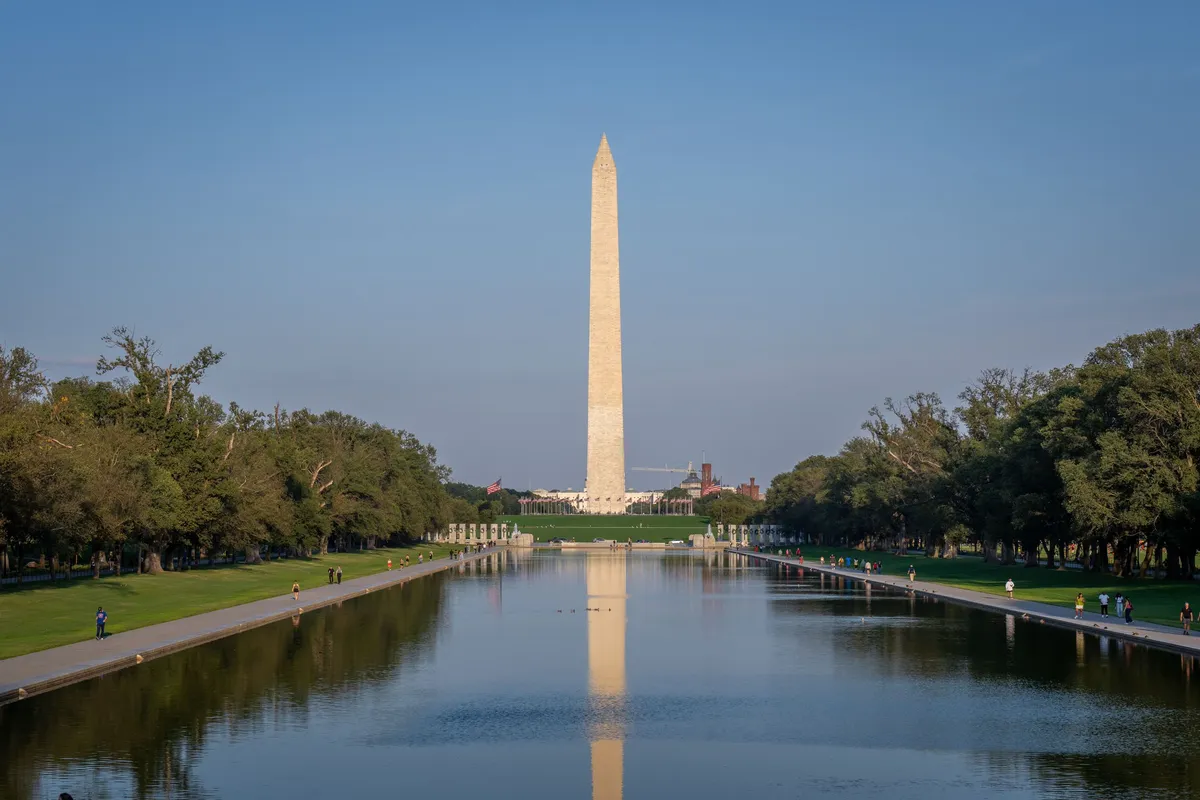
Most travelers brace for Washington, D.C. to drain their budget, and most are then thrown off by the opposite problem: the Smithsonian museums, the National Mall monuments, the Capitol building — every one of them is free to enter, by federal law. The real trap isn't the price tag, it's the paperwork. As of 2026, several of the city's most in-demand free attractions quietly require a timed-entry pass booked ahead, and showing up without one is the single most common reason visitors get turned away. We cross-checked current official rules before putting this together, so none of the figures below are rounded guesses.
Walk straight in: most Smithsonian museums
Forget the stereotype of long museum lines — most Smithsonian buildings in D.C. still work exactly as they always have: no ticket, no reservation, just a security check at the door. That covers the National Museum of Natural History, the National Museum of American History, the National Museum of the American Indian, the Hirshhorn, the Smithsonian American Art Museum and the National Portrait Gallery. Throw in the National Gallery of Art too — technically an independent federal museum, not a Smithsonian property, but it follows the identical rule and sits a short walk from the Mall.
The catch: three "free" museums that aren't free if you skip the reservation
Here's where unprepared visitors get caught out in 2026: the National Museum of African American History and Culture and the National Air and Space Museum's building on the Mall both require a timed-entry pass for every single visitor, any age, all year — admission costs nothing, but without a pass you simply don't get through the door. The National Zoo has adopted the same date-based system, and the Library of Congress's Thomas Jefferson Building, famous for its marble-and-mural Great Hall, works the same way: free to tour, but gated behind an online time slot. None of these passes cost a cent — they just need to be booked, usually a few weeks out, directly through each institution's own site.
Monument and Capitol: free entry, timed ticket required
Climbing the Washington Monument costs nothing but still needs a scheduled ticket, and there are two paths to get one. Book ahead on the official recreation.gov site and you'll pay a non-refundable $1.00 service fee per ticket. Prefer to skip even that dollar? Same-day tickets are handed out free at the Washington Monument Lodge on 15th Street starting at 8:45am, first-come-first-served, up to six per adult — though the line typically forms before the doors open. The Capitol's guided tour, covering the Crypt, the Rotunda and the National Statuary Hall, is always free; booking online is recommended, but arriving without a reservation before 2:30pm usually still gets you into the next available slot (the last tour of the day starts at 3:20pm).
Getting around: Metro, bus, and bikeshare
D.C.'s Metro system (WMATA) charges a distance-based fare: $2.25 to $6.75 during weekday peak hours (5am to 9:30pm), dropping to a flat $2.25-$2.50 on weekday nights and all weekend. Local buses charge a flat $2.25 regardless of distance. If you'd rather pedal, Capital Bikeshare charges a $1.00 unlock fee plus $0.15 per minute on a classic bike (or $0.35/min on an electric one) — or, for repeat use in a single day, the $10.00 day pass already covers rides up to 45 minutes at no extra charge, with only $0.05 per minute billed beyond that. One correction for anyone working from an older guide: the DC Circulator, the old $1.00-a-ride tourist bus that used to cover the National Mall, shut down for good in December 2024. Its routes were folded into WMATA's regular bus network, and it no longer exists as a separate service.
Eating well without paying tourist prices
Skip the sit-down restaurants clustered around the museums and go for two real options instead: the food trucks parked around downtown (McPherson Square, Farragut Square, L'Enfant Plaza) typically run $8 to $10 for a full meal, well under what a casual restaurant charges in the same area. Then there's Eastern Market in historic Capitol Hill — the city's oldest public market, running continuously since 1873, closed Mondays but open the rest of the week with a butcher, a fishmonger, a bakery and produce stalls inside the historic hall, plus outdoor vendor and artisan stands on weekends. The Market Lunch counter inside is famous for its buckwheat blueberry pancakes — get there early, since the weekend line builds fast.
Worth it on a tight budget?
Yes, and for a reason that's rare among world capitals: seeing Washington doesn't cost money, it costs planning. Anyone who books the right passes (NMAAHC, Air and Space, the Zoo, the Library of Congress, the Monument) a few weeks out can spend entire days moving between top-tier museums, monuments and the Capitol without paying a cent in admission — the day's real expense ends up being just Metro or a bike (a few dollars) and a food-truck meal ($8 to $10). The risk isn't the price. It's showing up with zero reservations and finding out at the door that the museum you most wanted to see won't let you in without one.