
Dollar hits R$5.51 after the election: what it changed for travel budgets in November 2026
Produced with AI assistance. Reviewed by Equipe PaceRoam.
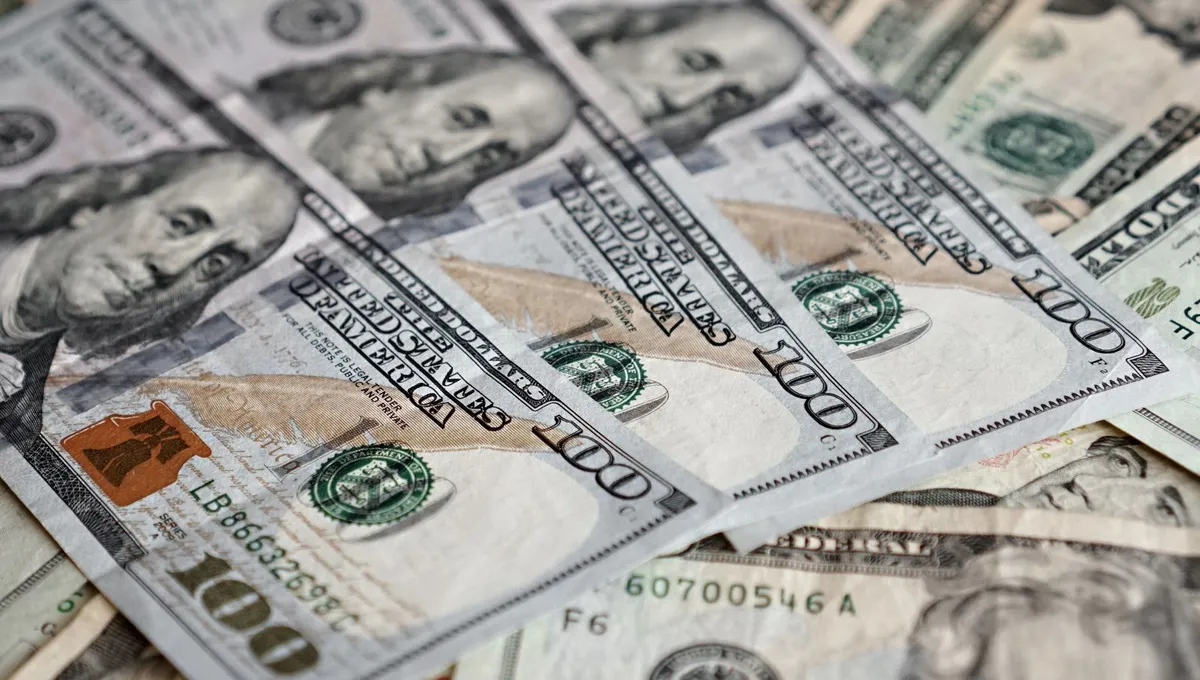
Anyone who locked in an international trip budget before October 25, 2026 and bought dollars or euros after that date paid, for the same planned amount, 9% to 11% more in Brazilian reais. The cause was a single, identifiable event: Luiz Inácio Lula da Silva's runoff re-election, announced on the night of Sunday, October 25, wiped out market bets on a win for Senator Flávio Bolsonaro and triggered a sharp jump in the dollar and the euro as soon as trading opened the next day, Monday, October 26. Thirteen days later, on November 9, 2026, the rate had not returned to its earlier level — it settled near the new, more expensive plateau. For anyone budgeting in foreign currency — flights, lodging, travel insurance, a prepaid card — that is not routine noise; it is a level shift that undercuts planning done weeks earlier.
October 26: the Monday the dollar jumped from R$4.99 to R$5.60
On the Friday before the runoff, October 23, 2026, the commercial dollar closed lower at R$4.99, with the market still positioned for a Flávio Bolsonaro win. That same Friday, the official PTAX sell rate — the reference rate calculated daily by the Central Bank of Brazil (BCB) from the day's average interbank trades — closed at R$5.0377. Once Lula's win was confirmed on Sunday, the market reaction began the moment trading opened Monday: according to BBC News Brasil (report by Thaís Carrança, published October 26, 2026), the spot dollar touched nearly R$5.60 that morning and closed the session at R$5.40 — a jump that, combined with a circuit breaker triggered on the B3 exchange after a more than 10% opening drop, made it the worst Ibovespa session since March 2020. Reuters, in a wire carried by UOL Economia the same day, recorded the spot dollar up 11.02% at 10:41 a.m., trading at R$5.5394 on the sell side, with the November futures contract up 11.33% at R$5.5380 — and noted that B3 raised the daily trading-band limit for dollar futures twice that morning, first from 6% to 8.4% and then to 12%, because normal trading limits could not absorb the correction. The official PTAX rate closed that day at R$5.5007, up 9.19% from the previous Friday — the figure the Central Bank uses as the benchmark for contracts and the one most exchange houses use to set their own retail sell price.
PTAX, tourist dollar, and card-rate dollar: three different prices for the same dollar
The October 26 jump was not a one-day spike that unwound afterward. In a check of Valor Data (Valor Econômico) run on November 9, 2026, the PTAX sell rate stood at R$5.5065, the market commercial dollar at R$5.5154, and the "tourist dollar" (the rate exchange houses charge for physical banknotes) at R$5.7217 on the sell side — well above the pre-election level and carrying its own markup over that day's PTAX. This is the detail that gets lost on anyone who only reads the headline "dollar at R$5.50": the figure that makes the news is usually PTAX or the commercial rate, used by banks, brokers, and for accounting purposes, while anyone buying physical cash at an exchange house or tourism counter pays the tourist rate, with an added margin. Comparing all three rates on the same day (November 9, 2026):
| Rate type | Buy (BRL) | Sell (BRL) | Spread over PTAX sell |
|---|---|---|---|
| PTAX (Central Bank) | 5.5059 | 5.5065 | benchmark (0%) |
| Commercial dollar (market) | 5.5143 | 5.5154 | +0.16% |
| Tourist dollar (exchange houses) | 5.5417 | 5.7217 | +3.90% |
Source: Valor Data, checked November 9, 2026. At the exact same moment, two people buying dollars for the same trip pay different prices purely based on where they buy — an international prepaid card tied to the commercial rate ends up cheaper than cash at an exchange counter, a gap that isn't new to 2026 but hits harder once the base rate itself has already risen.
US$1,000 for a flight got US$468.80-worth more expensive in reais — and up to US$683.80 if bought the wrong way
To put the figures above in concrete terms: someone who budgeted US$1,000 for a flight or a hotel stay using the PTAX rate from October 23, 2026 (R$5.0377) would have needed R$5,037.70. Running the same math with the PTAX rate from November 9, 2026 (R$5.5065), the cost rises to R$5,506.50 — a difference of R$468.80, or 9.3%, for the exact same amount in dollars, with no change to the price of the flight itself. If the same US$1,000 is bought as cash at that day's tourist-dollar sell rate (R$5.7217), the total climbs to R$5,721.70 — R$683.80 above the pre-election cost, or 13.6% more expensive. The gap between the two scenarios (R$215) is entirely attributable to the purchase channel, not to the market rate: it's why an international debit or credit card with no extra tax or excessive spread tends to cost less than carrying cash, especially right after a currency jump like this one.
The euro moved the same way: tourist rate costs €244.20-worth more than commercial per €1,000
The same pattern repeats with the euro, the reference currency across most of continental Europe. In the November 9, 2026 check of Valor Data, the commercial market euro was quoted at R$6.1745 on the sell side, while the tourist euro (exchange houses) stood at R$6.4187 on the sell side — a difference of R$0.2442 per euro. For a €1,000 purchase, that means paying R$6,174.50 at the commercial rate versus R$6,418.70 at the tourist rate: a R$244.20 difference from the choice of channel alone, independent of any recent rate jump. That spread between commercial and tourist euro is structural — exchange houses charge a margin on physical notes — but it stacks on top of the effect of the October 26 dollar and euro surge, making it even more expensive to buy euro cash at a tourism counter than to route the payment through an international card quoted at that day's commercial euro rate.
Buy now, spread it out, or wait? What the November 9 numbers show
Thirteen days after the jump, the rate had not pulled back to its pre-election level — it held near R$5.50 on PTAX and near R$6.17 on the commercial euro, per the same November 9, 2026 check of Valor Data. That matters because it rules out the idea that waiting a few days would be enough for the rate to "go back to normal": the new price reflects the market repricing risk after the election outcome, not a one-session spike. In practice, that changes the logic of when to buy foreign currency for a trip that's already booked. Buying it all now locks in today's cost but does not recover the extra already paid relative to before October 25. Buying in smaller batches over several weeks instead of one lump sum reduces exposure to a fresh spike, but it also means missing out on any downward correction in the weeks ahead — something none of the three sources checked here guarantees will happen. Rechecking the exact day's rate — PTAX from the Central Bank's site or a live quote from a broker — before locking in any booking that requires advance payment in foreign currency is the one step that doesn't depend on forecasting where the exchange rate goes next.
What to do before booking this week
First practical step: before confirming any international payment — flight, hotel, travel insurance, car rental — check that specific day's rate (PTAX from the Central Bank or the live rate from the broker or card that will be used), because a R$0.20 difference per dollar already shifts a two- or three-week trip's budget by hundreds of reais. Second step: for any amount beyond what will actually be spent as cash, using an international card quoted at that day's commercial rate avoids the tourist-rate spread, which currently runs around 3.9% to 4% above the commercial rate for both the dollar and the euro. The most common mistake right now is treating October's rate, or an even older one, as still valid when finalizing a trip's numbers: anyone who budgeted with the dollar at R$4.99 and never rechecked the figure before paying is, in effect, underestimating the real cost by close to 10%. What's not worth doing: buying cash at an airport or city-center exchange counter just because it's the most convenient spot — that extra spread is exactly the kind of avoidable cost that stings most right when the base rate is already higher than it was two weeks earlier.