Photographing the Milky Way in the Sahara Desert: Best Season and Basic Gear
Produced with AI assistance. Reviewed by Equipe PaceRoam. · Updated October 27, 2026
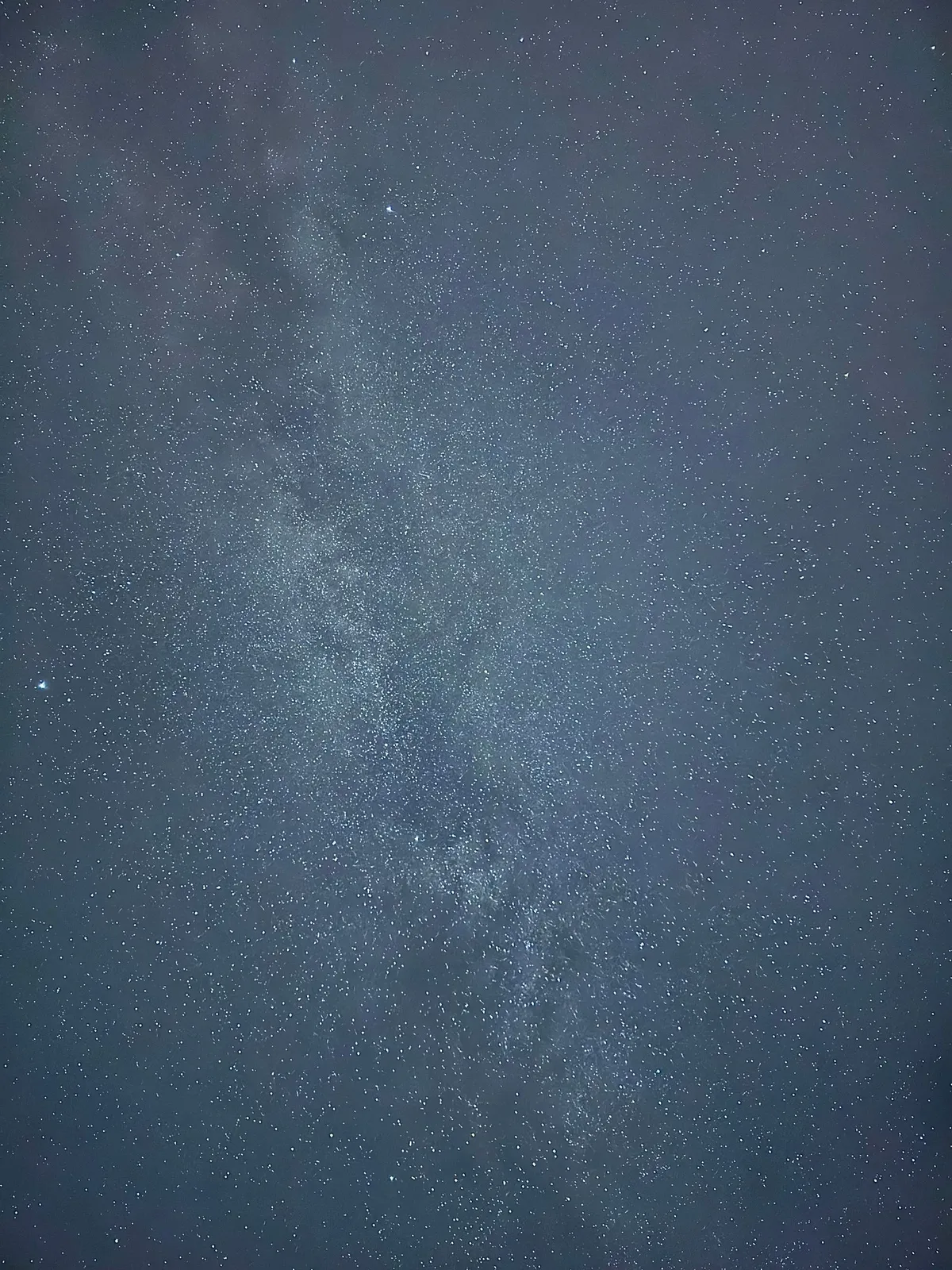
The Sahara around Merzouga and the Erg Chebbi dunes in Morocco ranks among the darkest spots in the country and is one of the most cited places in the world for seeing the Milky Way with the naked eye. The proximity to the Algerian border and the near-total absence of light pollution are what make the difference. Based on 2026 research, this guide covers the right season, moon phase, real travel distances, and the basic gear that actually gets the shot — no professional astrophotography kit required.
Best time of year
The Milky Way is visible year-round from this latitude, but the galactic core — the brightest, most photogenic part — sits above the horizon from April to September, peaking June through August, when it's visible from dusk until the early morning hours. By September, the core still shows up early in the evening, which means not having to stay up as late. Outside that window, October through March, the galaxy's arc is still there, but the core sits below the horizon for most of the night.
The moon phase decides the night
More important than the month is the moon: check a lunar phase calendar and aim for nights close to the new moon, when the absence of moonlight makes fainter stars visible and sharpens the Milky Way's contrast. A full moon over the dunes still makes for nice landscape shots, but it washes out most of the starry sky.
Getting to Merzouga
From Fes, it's about 470 km, a 7 to 8-hour drive via Ifrane and the Ziz Valley — the shortest route into the desert. From Marrakech, it's roughly 560 km and 8 to 10 hours, usually split across two or three days with stops at Ait Ben Haddou and the Dades or Todra gorges rather than driven in one push.
Where to spend the night in the dunes
A basic Berber-tent bivouac with shared bathroom runs €25 to €45 per person a night. Mid-range camps, with a real bed and private bathroom, cost €60 to €120. Luxury tented camps go for €150 to €300, usually including a sunset camel trek, a Moroccan dinner, and breakfast. A shared three-day tour from Marrakech averages €90 to €160 per person. The quality of the night sky is practically identical between the cheapest bivouac and the most expensive tent — the difference is only in bed and bathroom comfort.
Basic gear that actually works
No telescope or ultra-fast lens needed: a DSLR or mirrorless camera with a wide-angle lens, a sturdy tripod suited to sand (or a stable base, since tripod legs sink into loose dunes), and a long-exposure shot already capture the Milky Way's structure and color. Pitch your setup away from any artificial light source and check the cloud forecast before setting up, since visibility drops fast with any sky coverage.
Is it worth the budget?
Adding up the simplest bivouac (around €35 a night), transport inside a three-day shared tour from Fes or Marrakech (€90 to €160 all-in), and zero admission cost for the sky itself, a night of Milky Way photography in the Sahara comes in under €200 per person including lodging and full transport — and the payoff, on a new-moon night, is a sky that most of the world's big cities simply can't show anymore.
Watch for the overnight cold
Desert temperatures drop sharply after sunset even in warm months, with swings of up to 20°C between day and night. Pack a warm layer on top of desert clothing, since a long-exposure photo session tends to run much longer than a standard camp visit — standing still adjusting camera settings in the dark cools you down fast. Bring a headlamp with a red-light mode too; it preserves night vision for everyone in camp while you work out exposure settings, and most guides carry only one shared lantern for the whole group. A spare battery is worth packing too: cold nights drain charge faster, and the nearest outlet is usually back at the hotel in town, not at the camp itself.