Photographing the Taj Mahal: Timing, Angle, and Where to Stay for Morning Light
Produced with AI assistance. Reviewed by Equipe PaceRoam. · Updated October 27, 2026
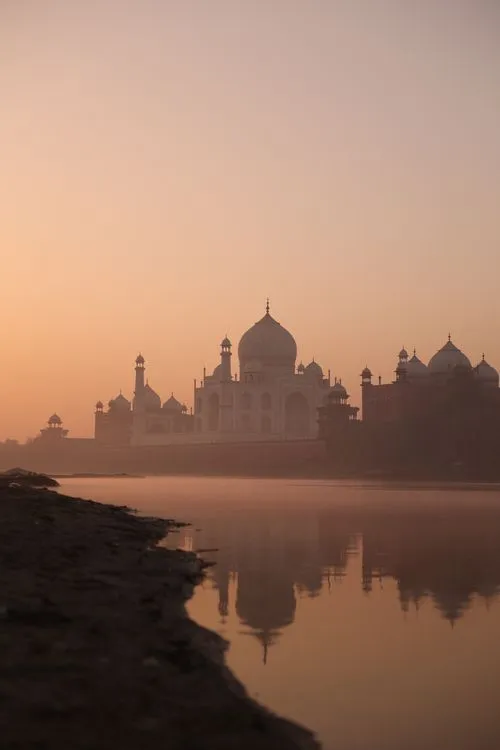
The Taj Mahal changes colour with the light: pink at sunrise, blinding white at noon, gold in late afternoon. The shot everyone wants, soft marble, clear sky, no crowd, only exists in a narrow window. The hours and fees below come from the monument's official site, checked in 2026.
Opening hours and why sunrise matters
The Taj Mahal opens 30 minutes before sunrise and closes 30 minutes before sunset every day except Friday, when it's closed to general visitors. Ticket counters at the West and East Gates open one hour before sunrise and stay open until 45 minutes before sunset. In practice, that means you can be inside the complex at the exact moment the sun comes up, which is why every serious photographer targets the first slot of the day: low-angle light hits the white facade directly without the harsh contrast of midday, and visitor numbers are still thin.
What entry costs
Foreign visitors pay Rs. 1,100, plus an optional Rs. 200 to go inside the main mausoleum itself. Citizens of SAARC/BIMSTEC countries pay Rs. 540 + Rs. 200. Children under 15 enter free, both Indian and foreign. Buying the ticket online through the official site gets foreign visitors a Rs. 50 discount.
Angle and light position
The classic shot is from the central fountain of the Charbagh garden, facing the north facade, with the mausoleum mirrored in the reflecting pools, this is the angle that captures the full symmetry and reflection. For photographers after the monument reflected in the Yamuna river (a less common angle), access is from the east side, outside the walled complex, shooting the rear facade from the riverbank, morning light there hits the stone directly, without the backlight that forms on that side in the afternoon.
Where to stay so you don't miss the window
Staying in the Taj Ganj or Fatehabad Road neighbourhoods, a 5 to 10 minute walk from the East or West Gate, removes the risk of being late because of Agra's unpredictable early-morning traffic, which can back up even before dawn due to security checkpoints near the monument. Arriving at least 20 minutes before the ticket counter opens secures a spot at the front of the line, which matters because access to the inner courtyard is released in controlled groups.
From the parking lot to the gate
No vehicles are allowed within a 500-metre radius of the Taj Mahal for environmental reasons; parking sits at Shilpgram for the east gate entrance, or at Amrood ka Teela for the west gate. From there to the ticket counter, visitors move on foot or by electric bus and golf cart, which is free and already bundled into the foreign and SAARC/BIMSTEC entry ticket. Indian citizens pay Rs. 25 per person for the golf cart. The foreign ticket also includes, at no extra charge, a shoe cover, a half-litre water bottle, and a tourist map of Agra — a detail that trims costs that would otherwise be bought separately at other monuments.
Another practical detail: the Taj Mahal is closed to general visitors every Friday, so trip planning needs to work around that day. On every other day, the monument opens and closes according to sunrise and sunset, which shift across the year — so it's worth checking the exact date of the trip on the official site before booking lodging or transport to the gate.
Is it worth the tight budget?
Yes. The total cost of the experience, the foreign entry ticket (Rs. 1,100) plus mausoleum access (Rs. 200) adds up to Rs. 1,300, roughly 16 USD at 2026 exchange rates, is low for one of the most photographed monuments on Earth, with no tour package or guide required. The only real extra cost is lodging near the East or West Gate, which runs Rs. 1,500 to 3,000 a night at simple guesthouses in Agra. Current hours and fees are always listed on the monument's official site, tajmahal.gov.in.