Where to Photograph the Night Sky in the Atacama Desert
Produced with AI assistance. Reviewed by Equipe PaceRoam. · Updated November 7, 2026
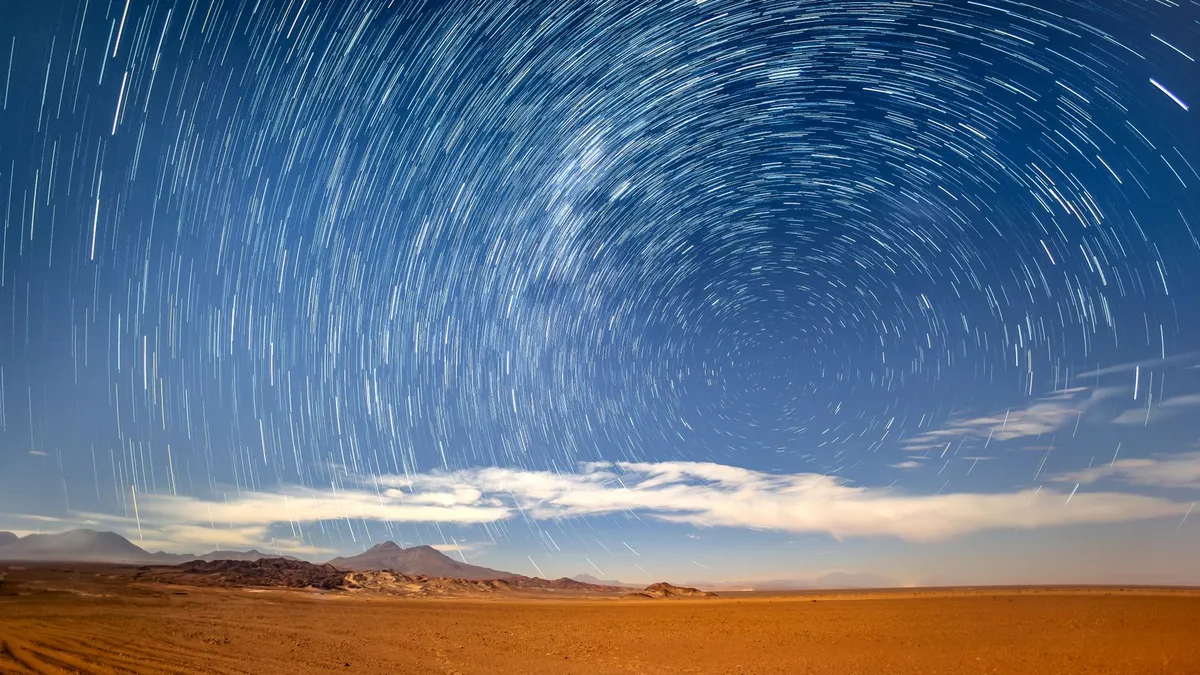
San Pedro de Atacama sits at roughly 2,400 meters in one of the driest regions on the planet — low humidity, almost no cloud cover, and minimal light pollution make the Atacama one of the most cited places on Earth for amateur astrophotography. Based on 2026 pricing and current access rules at the region's professional observatories, here's where to go, what it costs, and what's realistically shootable without professional gear.
Professional observatories: what's actually open
ALMA (Atacama Large Millimeter Array), the most-mentioned observatory in the region, has its public visit program suspended — the official ALMA Observatory site states it's working to reopen it, but for now access is limited to educational institutions, researchers, and media. Its base operations facility sits about a 40-minute drive from San Pedro, at 2,900 meters — even when open, visits cover the base, not the antenna array on the Chajnantor plateau at 5,000 meters, which stays closed to the public due to altitude risk.
Paranal and La Silla, both run by ESO (European Southern Observatory), run free public tours every Saturday, year-round — but with limited capacity and mandatory booking weeks in advance through the official form at reservasobservatorioseso.cl. The tour runs about three hours and includes a look at the control rooms and, conditions permitting, naked-eye sky viewing near the telescopes at dusk.
Commercial stargazing tours
For travelers who can't land an ESO slot, private tours departing San Pedro de Atacama are the more accessible route. 2026 operator pricing shows classic tours from $27.90–$33 per person (about 2 to 2.5 hours, 12-inch Dobsonian telescopes, astrophotography stations), and premium versions from $39.90–$68 with more advanced equipment and a climate-controlled dome. Private tours for groups of up to 6 start at $450. Most depart around 9:00–9:30 pm with hotel pickup, and end with a hot drink or wine.
Gear and settings for star photography
To capture star trails like the ones documented in the region, the common setup used by photographers shooting there is a full-frame camera, a wide-angle lens (16mm is typical), an aperture between f/2.8 and f/4, moderate ISO, and long exposures — stacked sequences running anywhere from several dozen minutes up past 14 continuous minutes, depending on the stacking technique used. Without a stable tripod and a remote shutter, the desert's nighttime wind blurs the shot easily.
When to go
The moon phase matters more than anything else — anything brighter than a first-quarter moon already cuts contrast on fainter stars substantially. The dry season, May through August, tends to bring the clearest skies, but nights get considerably colder, with temperatures easily dropping below freezing after sunset. Check the lunar calendar before locking in a tour date.
Is it worth the budget?
Yes, with some planning. A classic observation tour ($28–33) plus a second night on a premium or private tour with better gear ($40–68) covers essentially the whole relevant photographic experience, totaling $70–$100 per person across two nights. Add basic lodging in San Pedro (hostels in the area run roughly $25–40 a night) and simple meals, and a three-day budget closing out at $250–300 per person covers the essentials — one observation tour, one day hike or excursion, and modest lodging. The professional observatories, when open, are free, but don't guarantee photography — their priority there is educational, not astrophotographic.
A free-ish daytime add-on: Valle de la Luna
For travelers without a telescope tour booked, Valle de la Luna (Moon Valley), 13km west of San Pedro, is worth building into the trip even though it closes before dark — general admission is CLP 10,800 (about $11) in 2026, with entry until 5:30pm and the site shutting for the night, so it is a sunset location, not a night-photography one. The salt formations and dunes turn deep red and purple in the last hour before closing, which is useful for testing camera settings and tripod stability before the real astrophotography session after dinner. Renting a bike in San Pedro (around $9–10/day) to reach the valley independently costs less than a guided sunset tour and leaves the evening free for the paid stargazing tour.