Affordable Middle East: Dubai and Riyadh in one itinerary
Updated November 7, 2026
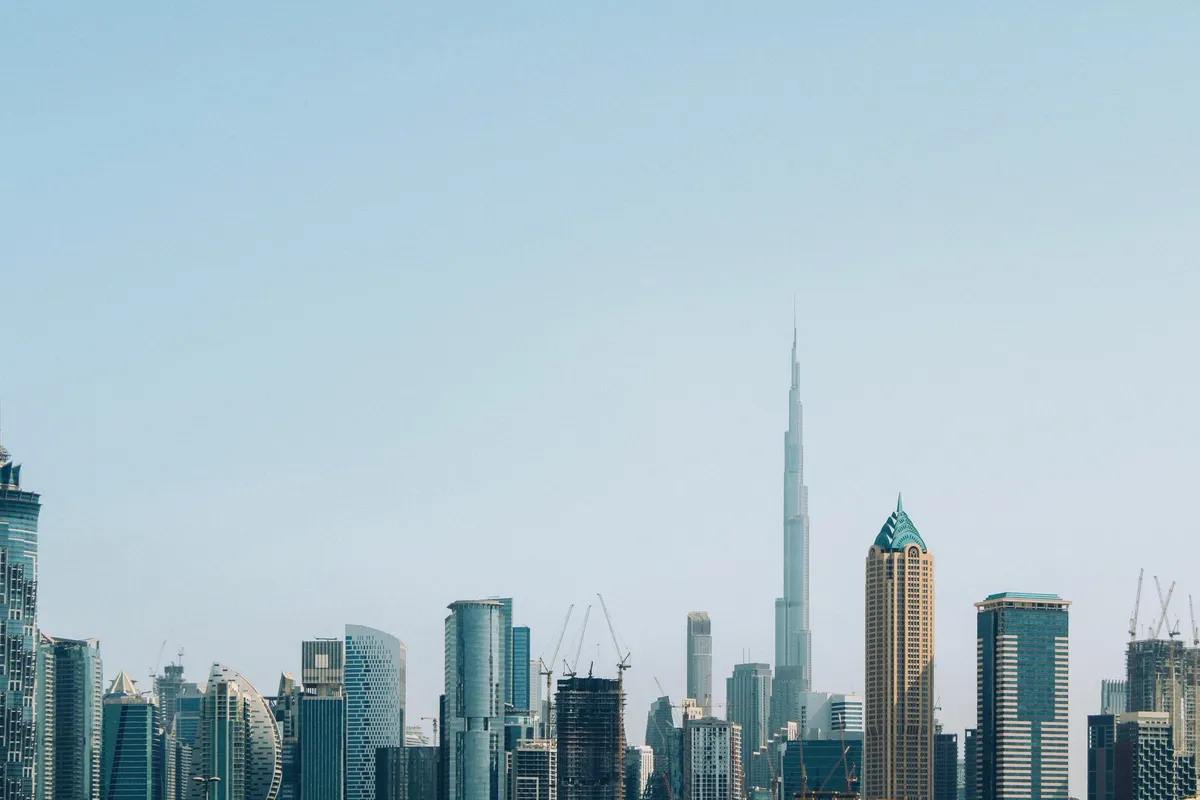
Put Dubai and Riyadh on the same map and the trip plans itself: the two Gulf capitals sit less than 2 hours apart on a direct flight, with dozens of daily connections, so there's no real excuse not to combine them even on a tighter budget. The payoff is contrast — Dubai's hyper-built, tourist-polished skyline against Riyadh, a capital still easing open to international visitors.
Splitting the days between the two cities
Dubai needs the bigger share of time: 5 days covers the essentials without a rush — Burj Khalifa, Dubai Mall, Old Dubai and the souks, a day trip to Abu Dhabi, and at least one late-afternoon desert safari. Riyadh, with a leaner tourist circuit, takes 3 to 4 days: a full day for Masmak Fort and historic Diriyah, another for the modern Kingdom Centre and King Fahd Fountain. Together, that's an 8-to-9-day trip.
Covering the ground between and within the cities
More than 60 flights a day connect Dubai and Riyadh across all carriers, averaging 1h55 to 2h15 in the air, with one-way fares starting around US$52-55 on flyadeal, Flynas, and Saudia — frequency and duration confirmed on flight comparison data for the route; book at least a month out to lock in those lower fares. Inside Dubai, the metro handles most sightseeing cheaply and efficiently. Riyadh is the opposite story — public transit is still limited, so taxis or apps like Uber and Careem become the default and need their own line in the daily budget.
What the whole trip actually costs
Dubai's budget daily spend lands around 220 AED per person for simple lodging, food, public transport, and one paid attraction — roughly 1,100 AED across 5 days. Riyadh pulls the average down on the lodging side: well-located 4-star hotels start near US$55 a night, and bundled 4-day/3-night land packages with transfers and tours run from about US$1,099 per person in a double room. Add both legs — excluding the international flight to the region — and a 9-day budget-style trip comes out to roughly US$820 to US$1,270 per person, depending on how much of it is simple lodging versus a mid-range hotel.
The paperwork and the dress code
Check the visa rules for your nationality for both the UAE and Saudi Arabia before booking. The Saudi e-Visa is applied for online before departure, costs around 460 SAR — just over US$120, mandatory insurance included, per the government fee and insurance breakdown published for the tourist eVisa — and is valid for 30 or 90 days. In both destinations, dress modestly outside hotels and private beaches — covered arms and knees are standard, more strictly enforced in Riyadh than in Dubai. Street food and souks, rather than mall or hotel restaurants, are what keep the daily number down.
What recent visitors actually flag
Travelers who've done this loop recently converge on a few practical points worth packing alongside the itinerary. Heat is the real scheduling constraint in Dubai outside winter: outdoor sightseeing works best early morning or after sunset, with midday reserved for the Dubai Mall, a museum, or anything air-conditioned — trying to walk Old Dubai at noon in summer is where most first-time visitors regret their planning. Alcohol in both cities is confined to licensed venues, almost always inside hotels; there's no public drinking and no buying alcohol at a corner shop, so budget for drinks the way you'd budget for any other hotel amenity. Riyadh's dress code has loosened noticeably in the past couple of years, but recent visitors still report an easier time in malls, restaurants, and places like Bujairi Terrace when dressing modestly — women traveling there mention flowy trousers and a light long-sleeve top as a comfortable, locally accepted default rather than a strict requirement. One more thing worth doing before locking in flights: confirm passport validity and visa rules against your specific nationality before booking anything non-refundable, since airline check-in enforcement at both ends can be stricter than the published rules suggest.