Kyoto and Seoul: an East Asia itinerary on a tight budget
Updated November 13, 2026
What makes a Kyoto-to-Seoul trip work on paper isn't geography — they're not close — it's the flight network connecting them. Kansai (Osaka) to Incheon runs direct in about 1h45 to 2h, with Peach, Eastar Jet, Jeju Air, Asiana and Korean Air all flying it and promo one-way fares starting around £40 (roughly $50); Peach's own route schedule shows multiple daily departures on this leg. That means you can leave Kyoto's ancient temples behind in the morning and be walking through Seoul's palace grounds by evening.
How many days each city deserves
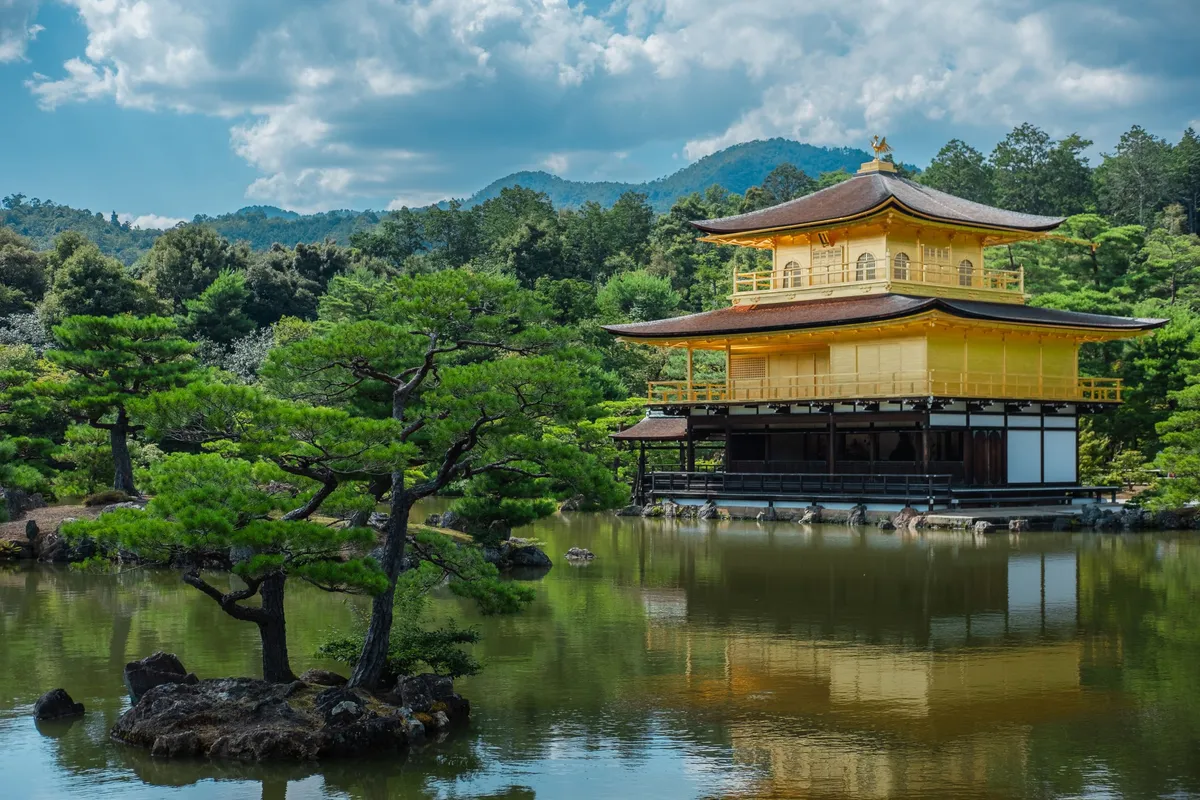
Start in Kyoto, then move to Seoul. Kyoto needs 3-4 days to feel complete: Fushimi Inari and Higashiyama on day one, the Golden Pavilion and the Arashiyama Bamboo Grove on another, the Philosopher's Path and Ginkaku-ji on a third, saving a free fourth day for Nara, under an hour away by train. Seoul typically asks for 4-5 days — the historic palaces (Gyeongbokgung and Changdeokgung), the Myeongdong, Hongdae and Insadong neighborhoods, with room left over for a day trip to the DMZ or Nami Island if your schedule stretches. A full week split between the two covers the highlights without rushing.
Getting from one city to the other
From Kyoto, the simplest path to the airport is the train to Kansai International (KIX), which has several daily direct flights to Incheon running about 1h45-2h; budget carriers like Peach and Eastar Jet usually have the lowest fares if booked a few weeks out. Inside Kyoto, local buses and trains cover nearly everything, though a good chunk of the eastern temples are also walkable or bikeable. In Seoul, the subway is extensive, cheap and signed in English, so skipping taxis entirely is realistic.
What the whole trip costs
Japan's backpacker daily budget runs $95-100 per person, covering hostel, food, local transport and one paid activity — in Kyoto specifically, hostels run $20-25 a night. Seoul is cheaper: backpacker level sits at $50-80 a day, with mid-range (central hotel, restaurant meals, a few paid tickets) climbing to $120-200 daily. Combine 4 days in Kyoto with 5 in Seoul and the trip lands around $700-1,000 per person, not counting the international flights into and out of Asia.
A few things worth knowing before you go
In Kyoto, hit Fushimi Inari as early as possible — the shrine is open 24 hours, and after 9am the line to photograph the red torii gates is already long. Japanese convenience stores are also a legitimate way to eat well on a budget without settling for bad food. In Seoul, many palaces waive or discount the entrance fee for anyone wearing a traditional hanbok — besides the photos, it's an easy way to cut ticket costs. The best weather windows in both cities are spring (March-May, cherry blossoms in Kyoto) and fall (September-November); skip July and August, hot and humid in both countries.
Transit cards that make daily life easier
In Seoul, pick up a T-money card right at Incheon Airport — it works on the subway, buses, and even plenty of convenience stores, and it's topped up with cash at any GS25 or subway kiosk. Each subway ride starts at 1,250 won and climbs with distance, according to traveler reports on forums like Reddit's r/koreatravel. Anyone planning more than 3-4 trips a day might find the Climate Card worth it — a flat-rate day pass that breaks even past that point. In Kyoto, the equivalent is an IC card (ICOCA or Suica), which covers local trains and buses the same way and skips the hassle of buying a ticket for every single ride.