
International card: how to avoid IOF and abusive exchange rates
Updated October 27, 2026
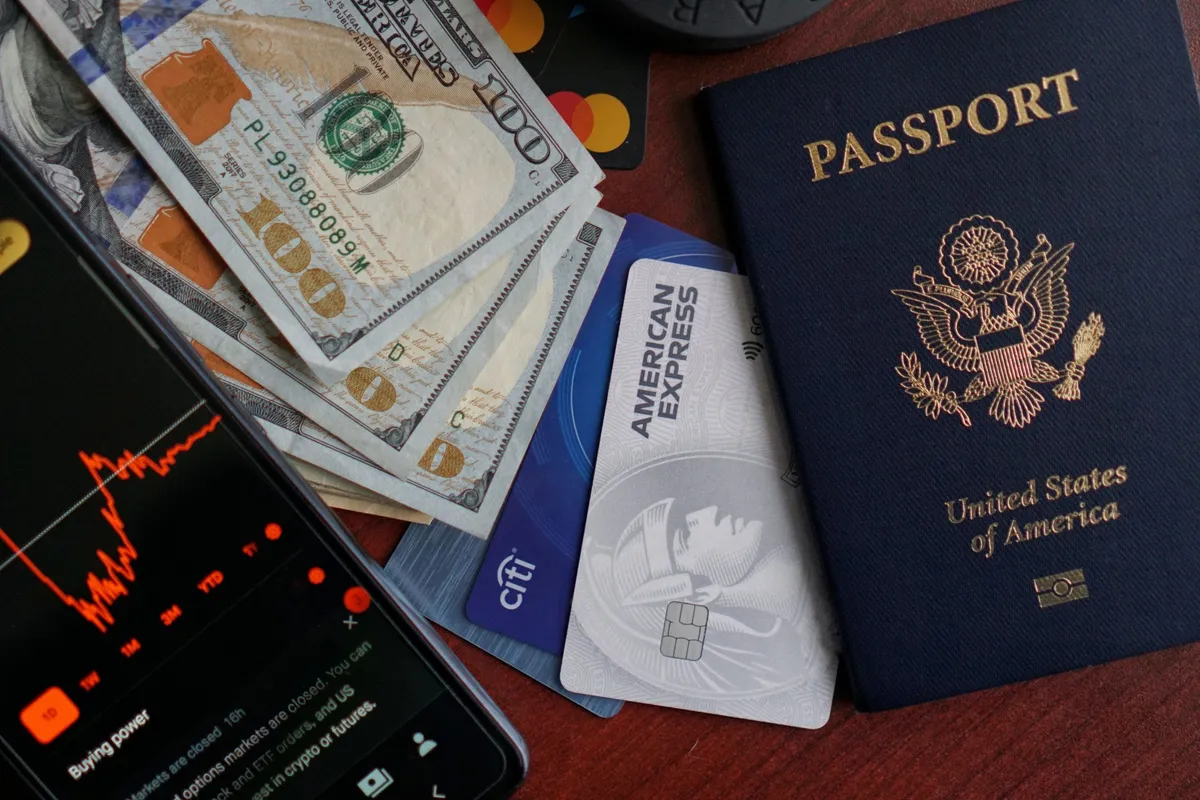
The card bill after a trip abroad is where a lot of travelers get an unpleasant surprise. The sticker price you saw overseas is rarely what lands on your statement, and the gap comes from three separate layers stacking on top of each other: the tax, the day's exchange rate, and the markup your bank quietly adds. Understanding how those three interact — and which one you can actually negotiate around — is what separates a controlled travel budget from a shocking bill.
IOF isn't optional, and switching card types doesn't dodge it
Brazil's IOF (Tax on Financial Operations) taxes foreign-exchange transactions across the board — credit, debit, and prepaid card purchases in foreign currency, plus cash bought at an exchange bureau, as laid out on the Central Bank's own page on foreign-exchange operations. The rate is set by federal decree, not by Congress, which is exactly why it keeps shifting and why any number you read in an old article may already be outdated. The one myth worth killing early: switching from an international credit card to an international debit card does not get you out of the tax. IOF follows the currency conversion itself, not the plastic. What actually changes between cards is the spread each institution charges on top.
The spread usually costs you more than the tax does
Here's where most of the real damage happens — not in the tax line, but in the spread, the margin a bank tacks onto the commercial exchange rate (the one Google shows when you search "dollar today"). Two cards can carry the exact same IOF rate and still produce wildly different bills, because one bank's spread is thin and the other's is fat, both calculated off the same base rate. Digital banks and travel-focused international accounts tend to run leaner spreads than traditional credit cards from the big incumbent banks, which means a real savings even though the tax itself is identical. The rate history Santander itself publishes shows just how much that tax figure has moved by decree over the years — worth a glance before you lock in your travel budget.
Three habits that actually move the needle
When a card machine or ATM abroad asks whether you want to pay in reais or the local currency, always choose local currency — paying in reais (so-called dynamic currency conversion) almost always bakes in a worse rate than your own bank would apply afterward. Load prepaid foreign-currency balances ahead of time when the exchange rate looks favorable, rather than being stuck with whatever rate happens to apply the day you swipe. And route your biggest expenses — hotels, train tickets, large purchases — through whichever card has the leanest spread, keeping a backup card strictly for emergencies so you're not scattering small conversion fees across multiple accounts.
What hides beyond the tax and the spread
International account maintenance fees, foreign ATM withdrawal charges, and card-network fees (Visa, Mastercard) on certain transactions can all add up quietly. Reading your card's terms before the trip — not just when you signed up — avoids surprises later. Digital banks and travel fintechs are generally far more upfront about these fees than traditional cards, which is reason enough to compare before deciding which one travels with you as your primary.
The short version
Check the current IOF rate directly on the Central Bank's site before finalizing your travel budget, since it moves by decree. Compare the spread across different cards and accounts — that gap usually hurts more than the tax itself. Always choose local currency when a machine asks. And carry at least two payment methods: one low-spread primary card and a backup, so you're never dependent on a single institution mid-trip.