East Africa in two stops: safari in Nairobi and beach in Zanzibar
Updated November 7, 2026
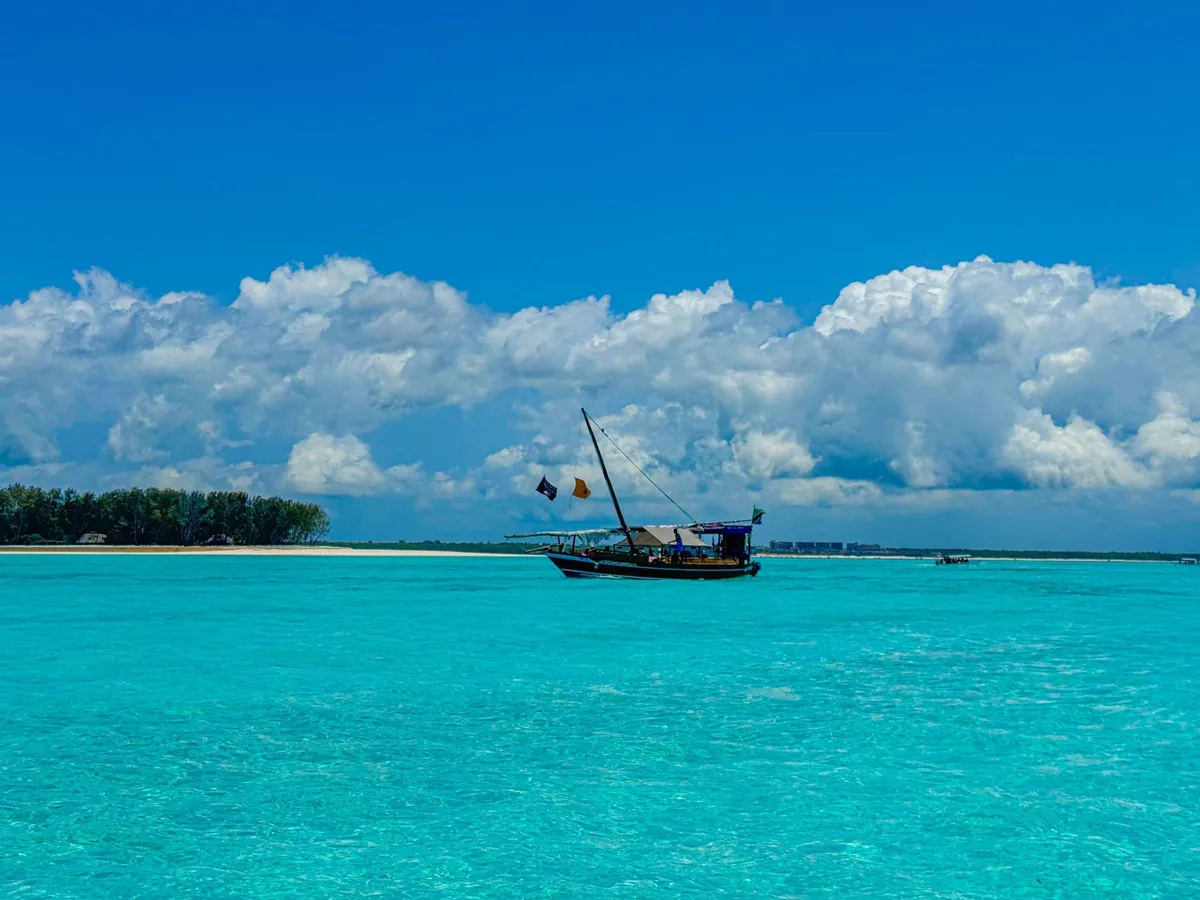
Most people assume mixing a savanna safari with an Indian Ocean beach means two separate, expensive trips. It doesn't: Nairobi and Zanzibar sit just 1h20-1h30 apart by direct flight, with Kenya Airways, Precision Air and Air Tanzania running the route several times daily. Build the trip right and you'll watch the Big Five one morning and be swinging in a hammock on white sand a week later, without the transfer between the two eating your budget alive.
Sequencing the trip: how many days where
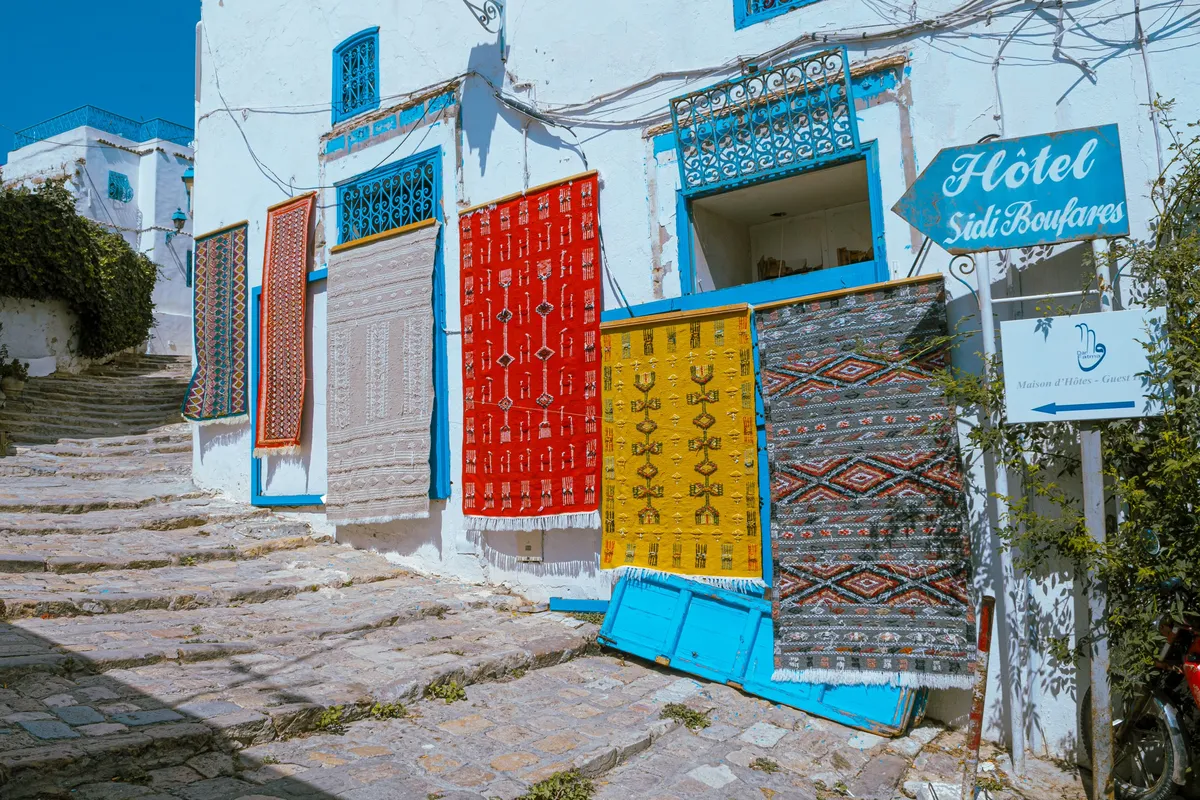
Lead with Nairobi — 3 to 4 days gives you enough room for a full-day safari in Nairobi National Park, the only park on Earth with a city skyline as its backdrop, sitting less than 15 km from downtown. If budget and calendar line up, bolt on an extended 3-to-4-day safari toward Amboseli, Lake Nakuru, or the Maasai Mara, overnighting in a lodge or tent. From there, a short flight gets you to Zanzibar, where 5 to 7 days splits naturally into 2-3 days in Stone Town — the UNESCO-listed old town, its markets, and Freddie Mercury's former house — and the remainder on the northern beaches (Nungwi, Kendwa) or the east coast at Paje. Stack it all together, arrival and departure days included, and you land on a 9-to-12-day round trip.
Getting between the two, and around each one
Roughly 18 to 20 direct flights a week cover the Nairobi–Zanzibar hop, averaging 1h20-1h30, with promotional round-trip fares starting near US$250 (expect to pay more booking last-minute or outside low season). Inside Nairobi, safari transfers run in a pop-top 4×4 van already bundled into your safari package — going it alone into the park isn't a realistic option. Zanzibar has no real public transit system: travelers who want predictability pay for a private driver (around US$50 per leg between Stone Town and the northern beaches), while the budget-adventurous option is the dalla-dalla, the packed local minivans that cross the island for under US$2 a ride.
What the whole trip actually costs
In Nairobi, backpacker-style spending runs about US$37 a day — hostel, simple food, local transport, one paid activity — while a more comfortable trip during the dry season (June to October) sits between €90 and €180 a day once lodging, meals, transport and the safari itself are folded in. Zanzibar's budget tier runs US$30 to US$70 per person a day: a simple Stone Town guesthouse is around US$25 a night, a Nungwi beach stay closer to US$40, and a local restaurant meal lands at US$2-3. Add it all up — including Kenya's eVisa (about US$60 per the Kenyan government's official e-Procedures portal), Tanzania's visa (US$50 on arrival, per the Tanzania Immigration Department), and the Nairobi–Zanzibar flight — and a 10-day economy-style trip lands around US$700-1,000 per person, not counting the international flight.
Practical notes before you go
Travel June through October to catch Nairobi's dry season (best wildlife visibility, plus the Great Migration in the Maasai Mara) and more stable weather in Zanzibar. Pack neutral-toned safari clothes; swimwear is fine on the beaches, but cover shoulders and knees walking through Stone Town, since the island is majority Muslim. A yellow fever certificate is required if you arrive from a country with risk of transmission (check the list for your departure point), and it's worth locking in Zanzibar's specific health policy — about US$44 per adult, mandatory since October 1, 2024 according to the Tanzanian embassy — since it covers local emergency care that a standard travel policy sometimes doesn't. And don't be alarmed by power outages and patchy internet on the island; that's just part of the deal, not a crisis.
One logistics detail that trips up first-timers: a Kenya eSIM or SIM card doesn't carry over the border, so budget for a separate Tanzania SIM once you land in Zanzibar, and don't bother chasing M-Pesa as a visitor — it's tied to a registered local account, and hotels, drivers and restaurants on both legs take cards or cash without issue. Travelers who've done the loop also flag a real risk: because the Nairobi–Zanzibar leg runs on small regional carriers with schedules that shift, it's worth booking that flight through the same operator handling your safari rather than separately, so a delay or cancellation doesn't leave you stranded with no one responsible for rebooking.