Visa rules for Brazilian passport holders: where you don't need one, where ETIAS applies and where a visa is required
Updated November 7, 2026
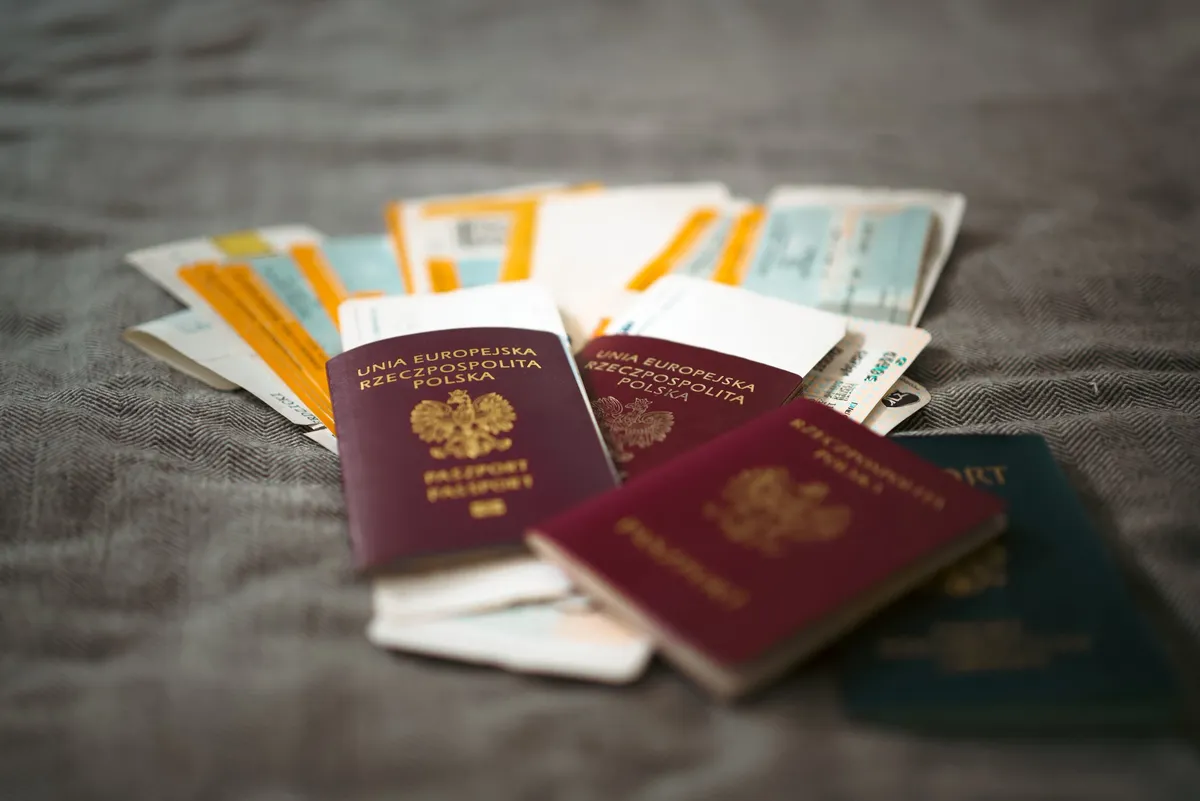
The visa question should be the first thing you check before booking a flight, not the last, because it's the one variable that rewrites your entire planning timeline. The Henley Passport Index ranks the Brazilian passport among the strongest in the world, with visa-free or visa-on-arrival access to more than a hundred countries — but a meaningful list of destinations still demands a visa arranged in advance, and that's exactly where last-minute planners get stuck.
Within South America, documentation is barely an issue
Argentina, Chile, Paraguay, Uruguay, Peru, Colombia, Ecuador and Bolivia all let Brazilians in on a national ID card alone — no passport, no visa — with stays typically allowed between 30 and 90 days depending on the country. That's a big part of why Buenos Aires, Santiago, Montevideo and Bariloche remain go-to budget destinations: zero documentation stress on top of zero visa cost.
Europe doesn't need a visa, but ETIAS changes the paperwork
For short tourist stays — up to 90 days within any 180-day window — Brazilians don't need a visa for the Schengen Area (Portugal, Spain, Italy, France, Germany and most of the EU) or for non-Schengen destinations like the UK and Ireland. What actually is changing is ETIAS, an electronic travel authorization the European Commission currently expects to roll out in the last quarter of 2026 for anyone entering Schengen visa-free, plus the equivalent UK ETA for Britain. Neither is a visa in the traditional sense — no consular interview, no extensive paperwork — but both require registering online in advance and paying a small fee. Worth checking the rollout status again closer to your travel date, since this timeline has already slipped more than once.
Where a real visa is still required
The short list of countries that do demand a traditional visa from Brazilians includes some of the world's most sought-after destinations: the United States, Canada, Australia and China. For the US, that means the B-2 tourist visa (or B-1 for business), with a consular interview and proof of ties to Brazil. Canada and Australia also require advance applications. Always double-check the destination's official consular site directly, since rules and fees shift often and Brazil's foreign ministry has zero say over another country's decision to grant or deny a visa.
Avoiding surprises at check-in
Three quick checks before buying the ticket: Brazil's Itamaraty site (gov.br/mre), the destination country's official consular page, and — for Europe specifically — the current ETIAS rollout status. Hotel booking confirmation, a return ticket and travel insurance with minimum coverage get requested even in visa-free countries, so having those ready avoids immigration hiccups even when no formal visa process applies.
The short version
Always confirm directly on the destination's official site whether it requires a visa, an eTA, or just a valid passport — rules shift by decree or bilateral agreement, and what was true a year ago may not hold now. Within South America, a national ID usually covers it. For Europe and the UK, watch the ETIAS and UK ETA rollout dates. For the US, Canada and Australia, start the visa process early — consular interviews and document review can take weeks.
The passport-validity trap nobody mentions
One detail that catches travelers off guard even in visa-free countries: passport validity rules aren't uniform. Brazil's own entry rules don't require six months of remaining validity — only that the passport stays valid for the length of the stay, according to Brazilian consular guidance. The United States is the opposite case: official guidance on the Brazilian visa application portal states a passport must be valid for at least six months beyond the intended stay. Since the destination country's rules apply at check-in, not Brazil's, the safe habit frequent travelers recommend is renewing the passport once it drops below six months of validity left, regardless of where you're headed next.